Two Easy Ways to Start Earning Rewards!
Earn 2X Pals Rewards points at Petco
when you use Petco Pay!
Get It Today
Learn the importance of UVB light for your reptiles and the right reptile lights for your pet’s habitat.
Updated on November 13th, 2025
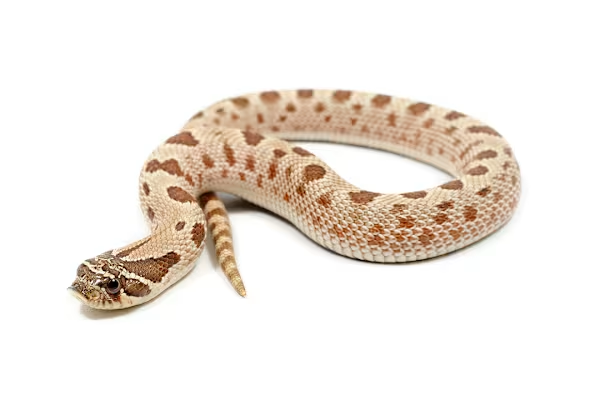
Learn how to care for a Western Hognose Snake with tips on habitat setup, diet, and handling to keep your pet healthy and happy.
Updated on November 13th, 2025
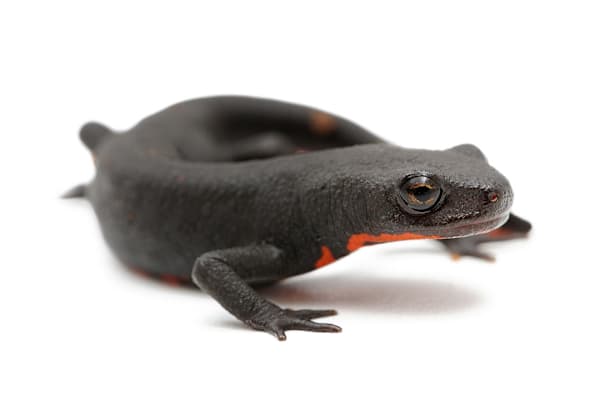
Learn How to Care for a Salamander & Newts, recommended diet and habitat setup. Find the right food, supplies and equipment at your neighborhood Petco.
Updated on November 13th, 2025

A few ideas to use to get your pet safely through a power outage, regardless of the time of year.
Updated on November 13th, 2025
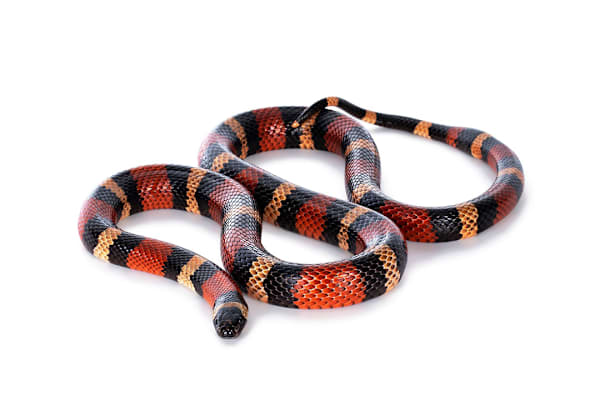
Learn how to take care of Milk Snakes, recommended diet and habitat. Find the right food, supplies and equipment at your neighborhood Petco.
Updated on November 13th, 2025
The changes to his enclosure may have caused stress. Low temps can affect digestion in reptiles. If temps were down, this could affect defecation. Try soaking him in a warm 50/50 solution of water and unflavored PediaLyte for 20-30 minutes. This will provide warmth and hydration. To stimulate defecation, gently massage the belly from front to back during the soak. If the behavior persists, consider an exam with your veterinarian or vet experienced in treating reptiles.
Updated on August 12th, 2025
Once he acclimates to his new home, he may become more active. Ball pythons are mostly nocturnal also, so if the room is bright he may seek dark spots and come out at dusk or overnight. Keep a large bowl of water in the tank. A deep layer of porous substrate may hold moisture longer. You can even add some moss. Use a hygrometer to monitor humidity. If it's too high, you can predispose your python to respiratory infection.
Updated on August 12th, 2025
Corn snakes can grow to as long as 5 feet. On average, they grow to 3-4 feet. A 10 gallon tank is too small. At minimum, a 20 gallon enclosure is recommended. A temp range of 75F-85F is best. They do not "need" a UVB light source but seem to be healthier with one. At 2 years of age, it should be eating adult mice. If it can't, feed whatever you can to get it back into a positive plane of nutrition so it can grow properly. Consider an exam with your veterinarian or an experienced herp vet to diagnose and treat any pre exiting conditions. Submit a stool sample to diagnose intestinal parasites. More information regarding care can be found here: http://www.anapsid.org/corn.html
Updated on August 12th, 2025
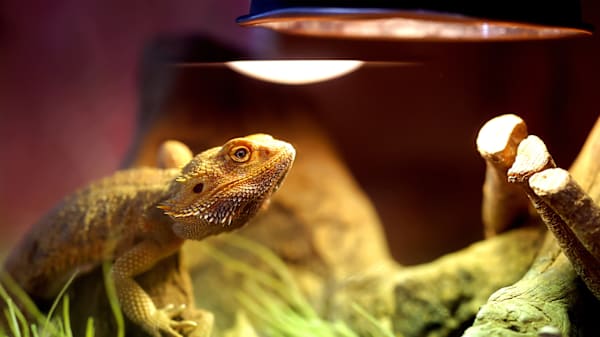
Choose the largest cage your space and budget will allow. At minimum, a 55 gallon enclosure should be considered. Acceptable substrates include slate, reptile carpet, decomposed granite or large gravel. Yes, setting up a bio-active environment for beardies is possible. It will take a bit of research and effort to get it right.
Updated on August 12th, 2025
Thanks for reaching out. Heat rocks are bad. One recommendation is to utilize under tank heat as the background heat source, keeping the environment at 70-75 F 24-hours a day, then an overheat lamp can be set up as a timer to turn on for 12-14 hours/day and raise the day time heat to the appropriate level. Timers work great for the UVB bulb and extra heat. Good luck.
Updated on August 12th, 2025