

Two Easy Ways to Start Earning Rewards!
Become a member today! Members-only pricing and offers, personalized care notifications, Vital Care points back on every purchase and more!
 Become a credit card member today!
Earn 2X Pals Rewards points at Petco
when you use Petco Pay!APPLY NOWLearn More About Petco Pay Benefits
Blue Ribbon Pet
Get It Today


Related Articles & Questions
- Product Guides
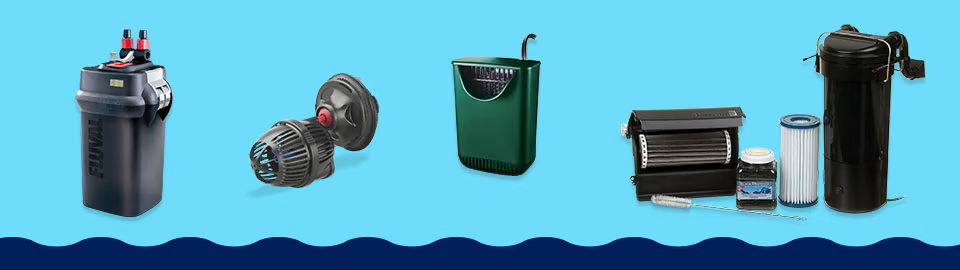
Aquarium Filtration: Pick the Best Filter for a Thriving Tank
Discover the fish tank filter system that’s right for your aquarium. Learn about mechanical, chemical, and biological filtration at Petco.
Updated on November 13th, 2025
- New Pet
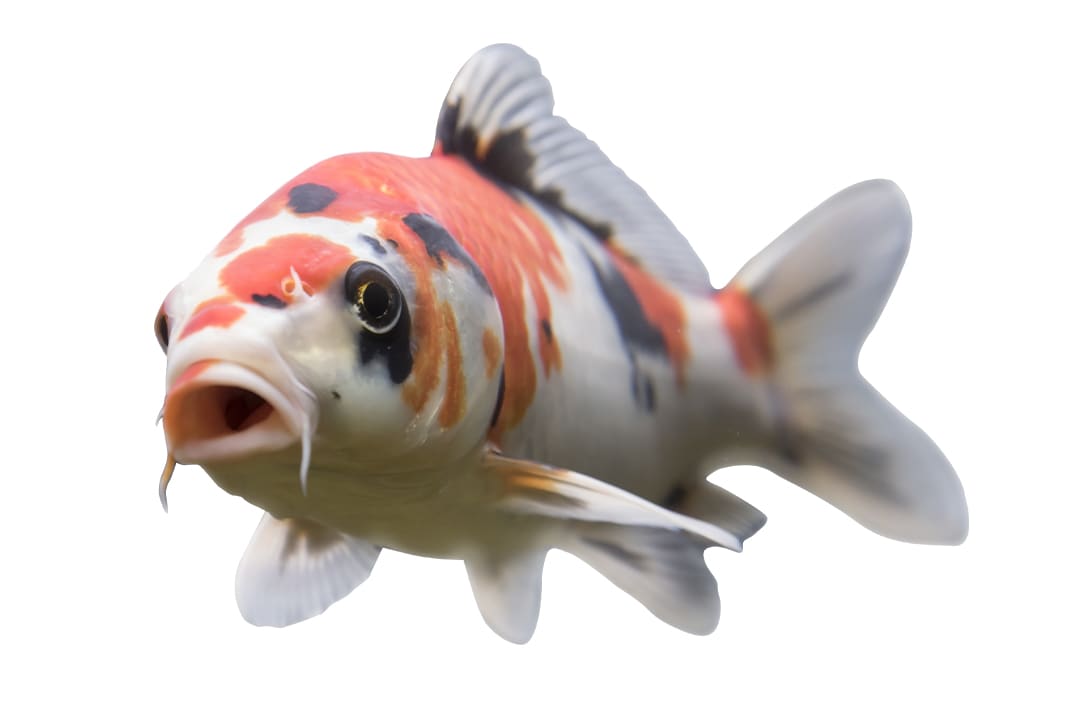
Mastering Koi Care: Optimal Tank, Food, Water Quality & Health Tips
Learn how to care for a Koi, recommended diet and aquarium setup. Find Koi for sale, supplies and equipment at your neighborhood Petco.
Updated on November 13th, 2025
- Home & Habitat
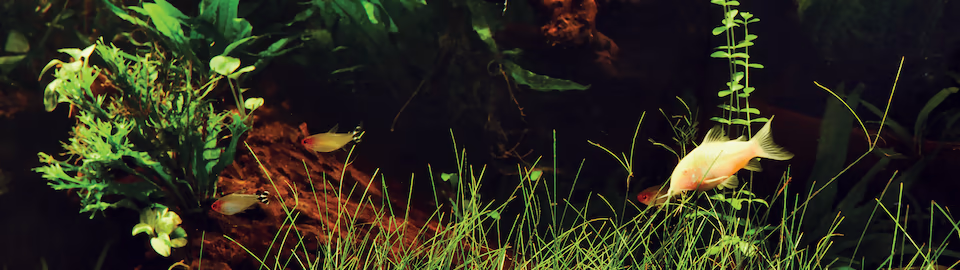
Your Guide to Healthy Freshwater Aquarium Plants & Thriving Fish
Learn how to pick the right aquarium plants, substrate, lighting, and fertilizers to ensure that your aquarium plants thrive and stay healthy.
Updated on November 13th, 2025
- New Pet
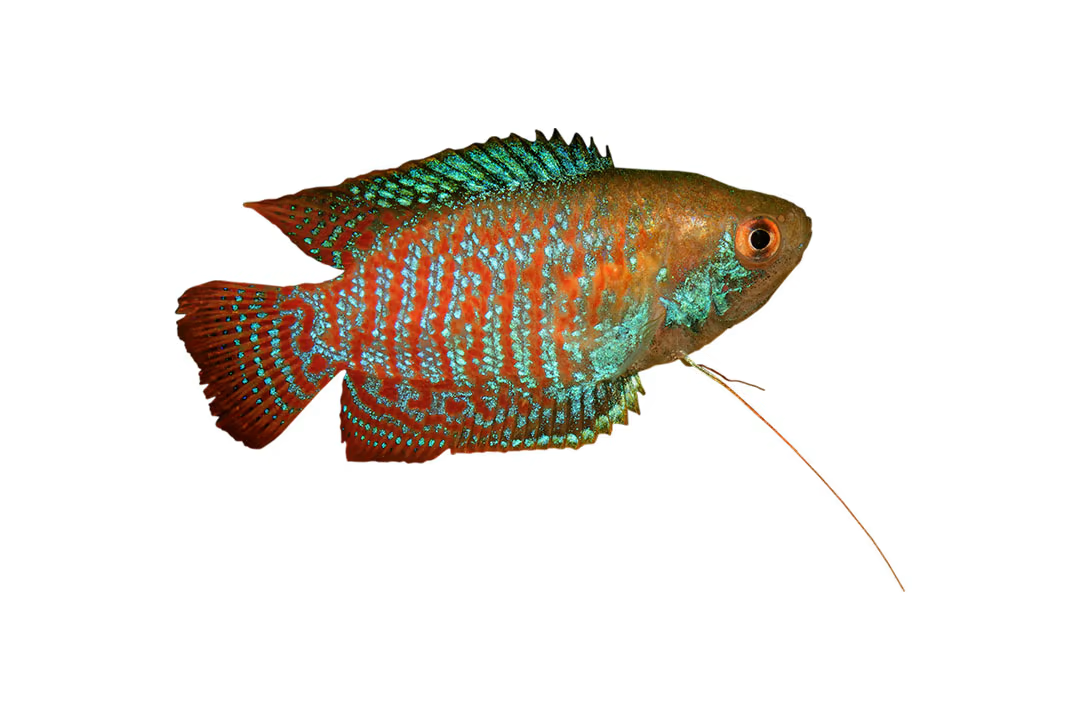
Mastering Gourami Care: Tank Setup, Food, & Habitat for Beginners
Learn how to care for Gourami, recommended diet and aquarium setup. Find the right food, supplies and equipment at your neighborhood Petco.
Updated on November 13th, 2025
- New Pet
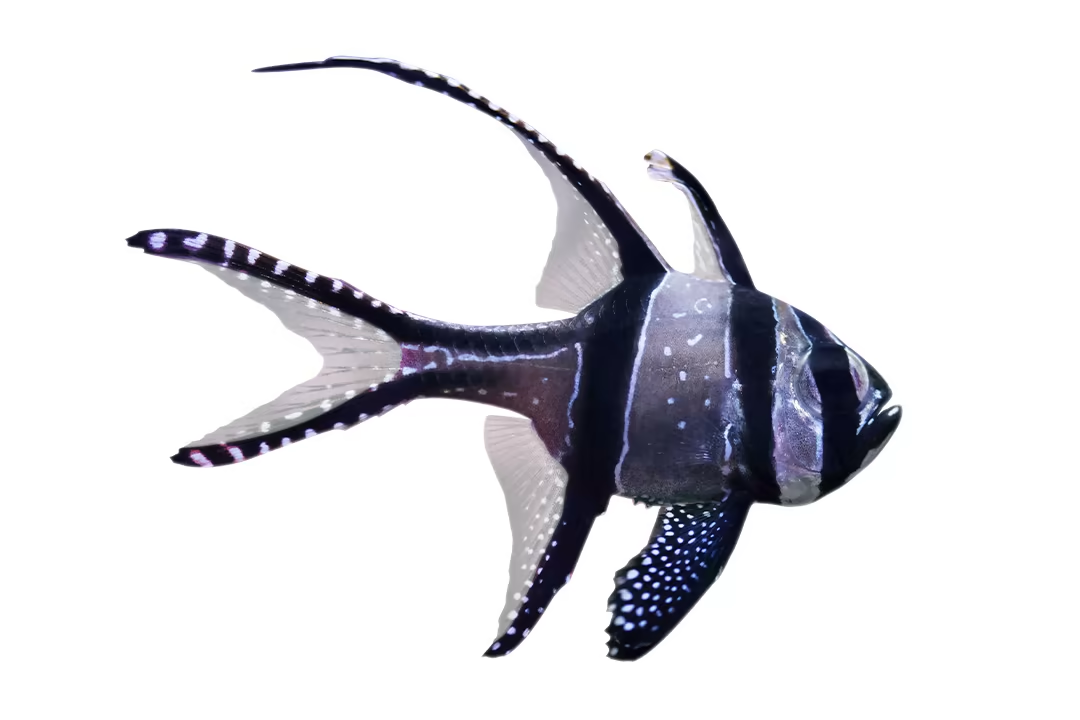
Cardinalfish Care for Beginners: Tank Setup, Feeding, & Habitat Tips
Learn how to care for cardinal fish, recommended diet & aquarium setup. Find the right food, supplies & equipment at your neighborhood Petco.
Updated on November 13th, 2025
- Health & Wellbeing
I'm about to buy some new fishes mostly Tetra Can you help me what fish should I buy because I am beginner in this things. Please tell me what sort of things I should bring I have a one foot tank now other than that What should I purchase from Aquar
Before you buy any fish, you will need to set up the tank. A basic set up includes: a tank, filter, hood/light, heater, gravel and some decor. The tank should run without fish for at least 4 to 6 weeks. This gives it time to cycle. The Nitrogen Cycle is critical to the health of the tank and any fish you will be keeping. During this time, beneficial bacterial will populate the filter and substrate (gravel). These bacteria will be responsible for breaking down fish wastes and other wastes (uneaten food, dead plants, etc.). You will need a home test kit to monitor water chemistry (ammonia, nitrites, nitrates, pH) or you will have to submit water samples for testing. Most pet stores will do this for free or for a small fee. At first, you will see high levels of ammonia and nitrites. Over time, as bacteria grow, these levels will drop. When ammonia and nitrites are at 0 ppm and nitrates are below 20 ppm, you can consider adding fish. Regular (every 1 or 2 weeks) partial water changes as we
Updated on August 12th, 2025
- Health & Wellbeing
My fish has fin rot and seems lethargic. He will just sit at the bottom of his tank or in his flower. He might also have a swim bladder issue. What can I do to fix him?
Check the water chemistry and quality first. Poor quality can predispose him to infection. Use a home test kit or submit a water sample for testing. Your local Petco may do this for free or for a small fee. If ammonia and/or nitrite levels are elevated, perform partial water changes until both read 0 ppm and nitrates are 20 ppm or less. Use only conditioned water that is temperature matched to prevent further stress or shock. Providing pristine water quality is the foundation for treatment and healing. Check the water temperature since low temps can affect appetite and activity in fish. If the water is too warm, it can also affect activity since warm water does not hold as much oxygen as cooler waters. Fast the fish for 2-3 days then feed tiny bits of cooked and shelled green peas. This will aid in defecation if there is constipation. Plain aquarium salt (not table salt or Epsom salt) can be used for most fish as a general tonic to reduce stress, improve gill function, treat minor in
Updated on August 12th, 2025
- Health & Wellbeing
Hello, I bought 3 fish (2 cichlids and 1 ray) and an aquarium (90 litres) yesterday. I prepared the aquarium and put the fish inside. However there is a power shortage at the moment. The temperature of the water is fine but what can I do to increase
Hi there! The fish will probably be ok for a day, but if the power doesn't come back on, you should consider purchasing a battery-operated aerator. I highly recommend that all fish owners keep one of these on-hand for situations like this. I don't know if this person ships to Turkey, but a similar product would be fine, too: https://www.ebay.com/p/Rapala-Battery-Powered-Aerator-Model-Raertr-c/1000293148?iid=371986500727 Most fish will come to the surface for air, but they really do need dissolved oxygen to thrive. Good luck!
Updated on August 12th, 2025
- Health & Wellbeing
At Dr Daniel Fonza; unfortunately we don't have Duoxo and Benadryl here but I've found a alternative shampoo similar to Duoxo that costs about 40 dollars in my country. Also where can I find the fish oils and the others? I'll try to ask friends if s
You should have Diphenhydramine, that is the same as Benadryl, just not the brand name. That is the active ingredient in Benadryl. You should have an equivalent to this where you are. Check drug stores and ask someone and I am sure you will be able to find an alternative. As for the fish oils, you should be able to perform a simple online search for canine fish oils or visit any local pet store near you that offers pet supplements.
Updated on August 12th, 2025
- Health & Wellbeing
Hello! Things didn’t go so well with cichlids and I only have one remaining which I moved to a different tank. The 45 is now empty and the others besides one blue African cichlid has died. I did water tests and most came out fine except the Carbonate
Water conditioning can be complicated and I recommend to stop by your local aquarium store. They are most often familiar with the local water quality and can give recommendations specific to your location. Some areas need buffering solutions to help control things like the water pH. Here are a few links which may help answer some of your questions about water condition: https://www.aqueon.com/articles/freshwater-aquarium-water-quality https://www.petcoach.co/article/aquarium-water-management-alkalinity-vs-water-hardness/ Before moving your goldfish, make sure all the conditions are appropriate for goldfish: https://www.aqueon.com/information/care-sheets/goldfish https://www.petcoach.co/article/how-to-help-your-new-goldfish-thrive/ I hope this helps and please feel free to post any additional questions.
Updated on August 12th, 2025