Two Easy Ways to Start Earning Rewards!
Earn 2X Pals Rewards points at Petco
when you use Petco Pay!
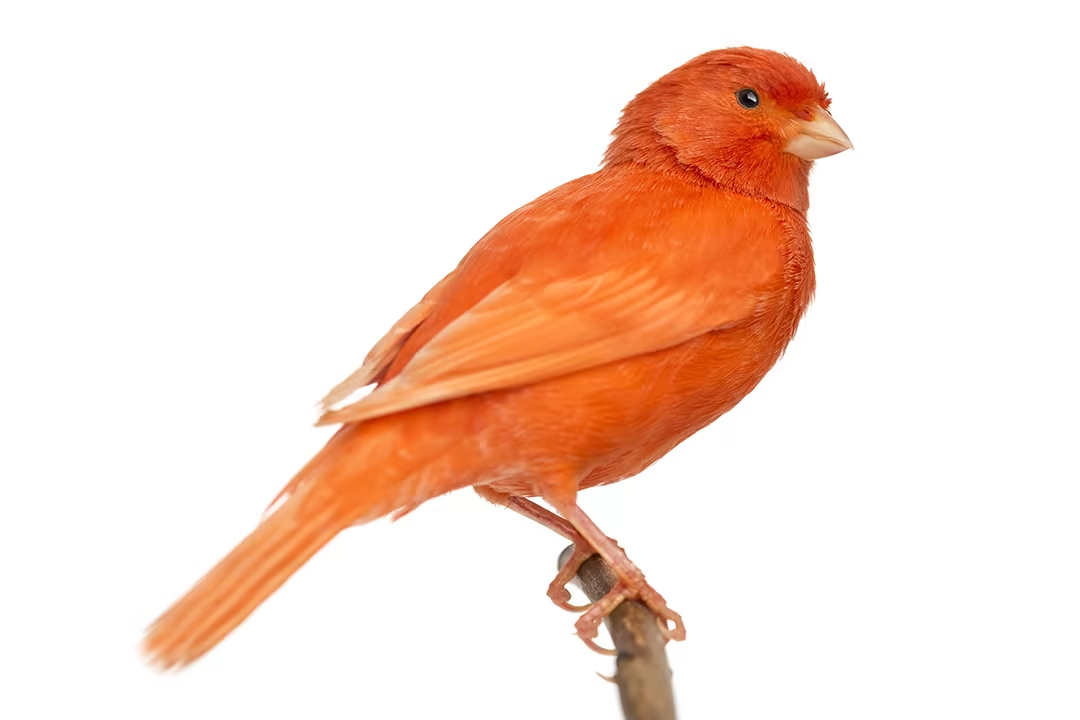
Learn how to care for a Canary, Canary facts, recommended diet and habitat setup. Find the right food, supplies and equipment at your neighborhood Petco.
Updated on November 13th, 2025
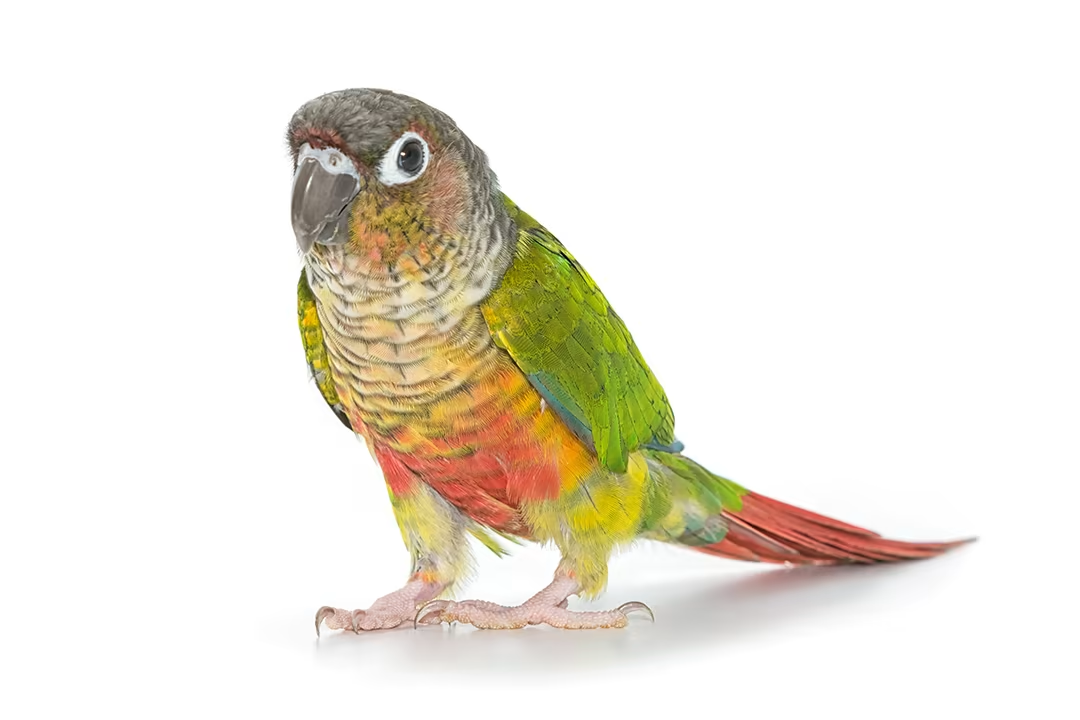
Green-cheek conures are highly inquisitive, bold, and engaging birds. Learn how to care for Green-cheek conures, what to feed them, habitat setup, and more.
Updated on November 13th, 2025
A number of factors go into finding the best pet bird for you and your family. Read through these questions and tips to select which life long companion is right for you.
Updated on November 13th, 2025
Read more about changes in your pet birds' behavior like biting, feather plucking and more.
Updated on November 13th, 2025
Get prepared to react calmly and efficiently when accidents happen by learning basic bird first-aid skills and putting together a pet bird first-aid kit.
Updated on November 13th, 2025
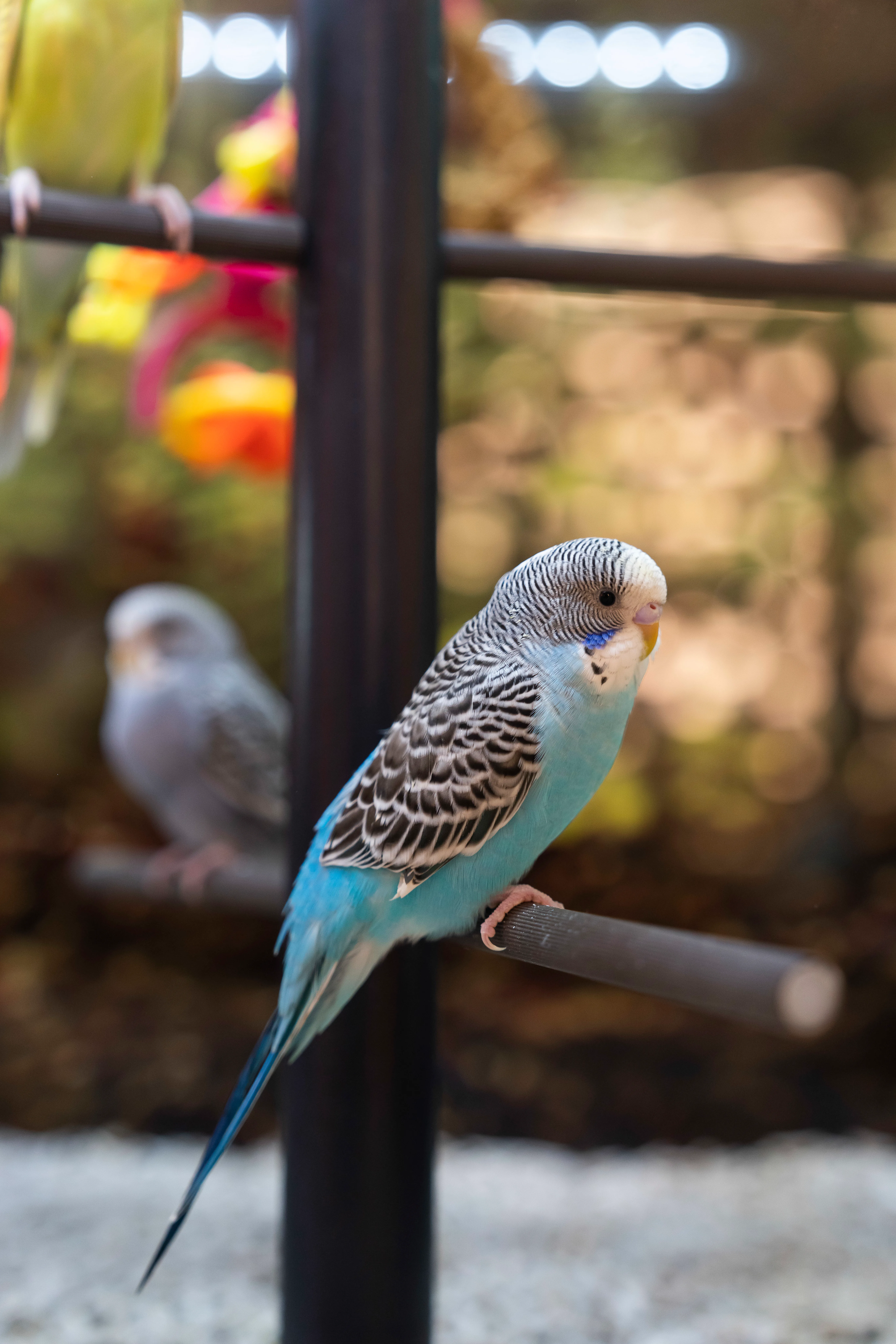
Parakeets, also called Budgerigars, are small members of the parrot family and they can become good mimics. The average adult size is 7 inches long, head to end of tail. The average life span is between 10 to 20 years with proper care. A well-balanced Parakeet diet consists of: Specialized pellets should make up 60-70% of diet, fresh vegetables and fruits and small amounts of fortified seeds Clean, fresh, filtered, chlorine-free water, changed daily. Do not feed birds: avocado, fruit seeds, chocolate, caffeine or alcohol; it can cause serious medical conditions. Avoid sugar and high fat treats. Things to remember when feeding your Parakeet: Fresh food and water should always be available. Vegetables and fruits not eaten within a few hours should be discarded. Remember, treats should not exceed 10% of total food intake. Housing Parakeets acclimate well to average household temperatures, not to exceed 80°F; be cautious of extreme temperature changes. The habitat should area that is w
Updated on August 12th, 2025
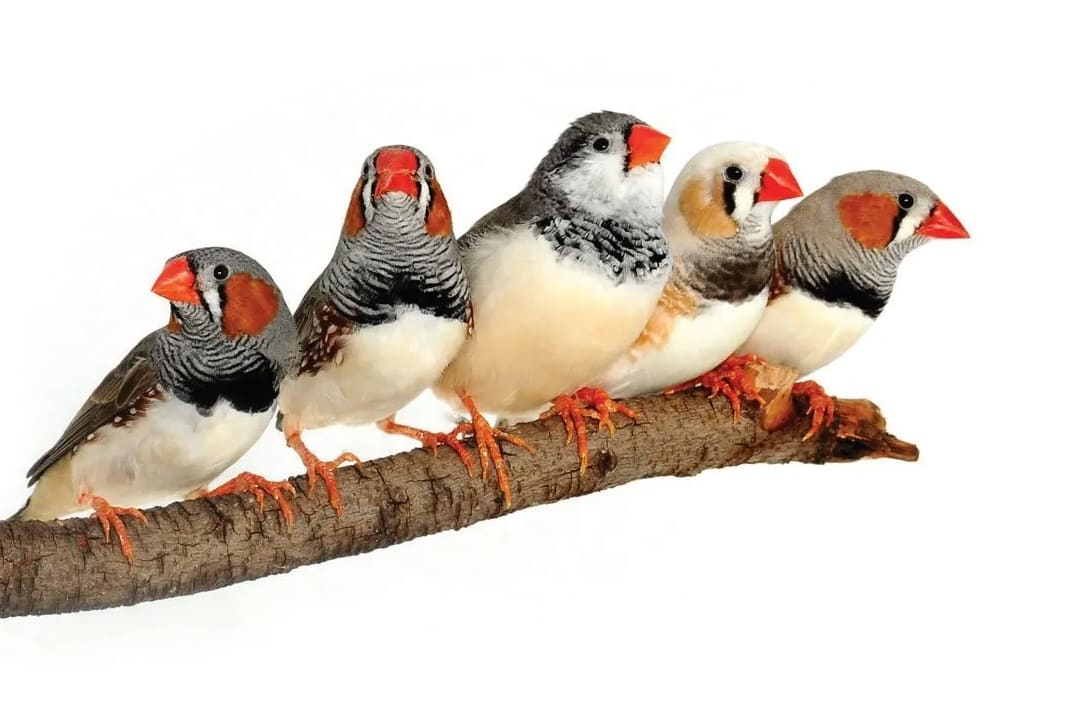
Thank you for using Boop by Petco! Finches are a rather social species, so they tend to do very well in large groups. Their social state has a large weight on their wellbeing, so you should keep an eye out for any finches that have feather loss due to feather picking or are being excluded from the group. To keep their environment enriched, you can provide a variety of perches, nesting boxes, grit, and occasional treats. I hope this helps and am happy to answer any other questions you have!
Updated on August 12th, 2025
Platform perches may make it easier for him. If he is sick though, he should be examined by your veterinarian or an experienced avian veterinarian. He may need medication or supportive care. In the meantime, keep the cage clean and make sure he is eating and drinking. Keep him warm and as stress free as possible until he sees the doctor.
Updated on August 12th, 2025
You should be able to candle a finch egg like you would any other egg, however you will have to be extremely careful as they are very very fragile. Finch eggs will also start out semi translucent and then become more opaque/bluish in color as they mature if they are fertile.
Updated on August 12th, 2025
Birds cannot digest items such as cheese and should not be given it as it can make them ill. If Barkha became ill after eating it, I would worry he is very sick from something he can't digest and should be seen by a vet right away, especially since he is showing symptoms of illness. Removing him to a warm hospital cage with access to food and water may help, but vet care is needed at this point.
Updated on August 12th, 2025