Two Easy Ways to Start Earning Rewards!
Earn 2X Pals Rewards points at Petco
when you use Petco Pay!
Get It Today
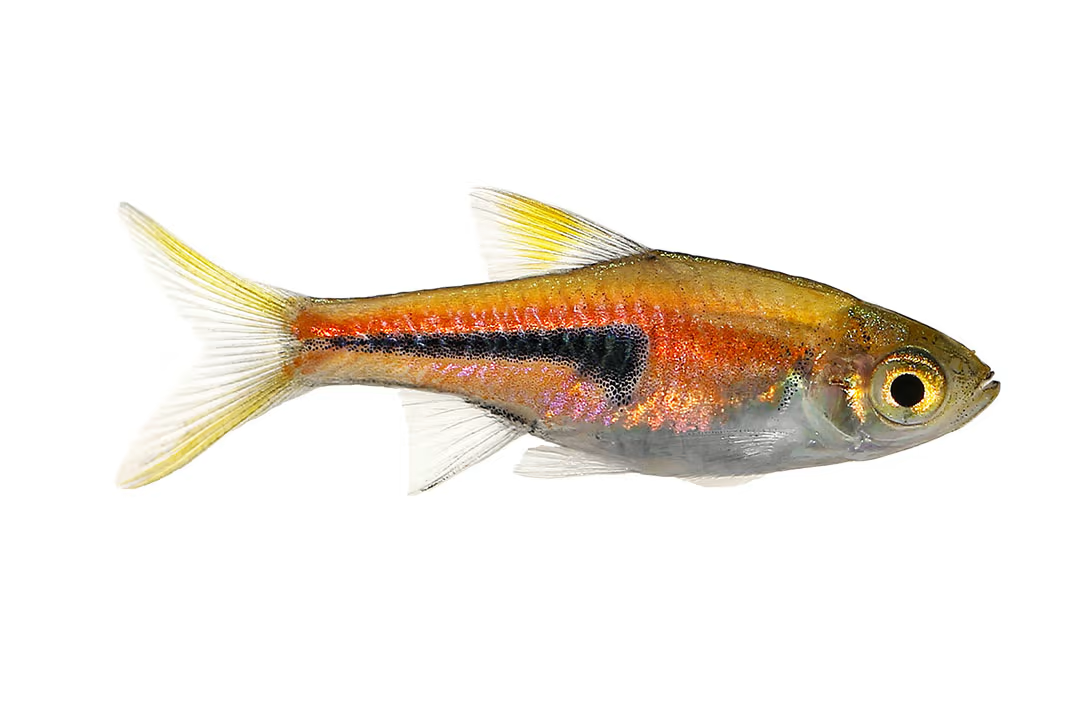
Learn how to care for semi-aggressive fish, recommended diet & aquarium setup. Find the right food, supplies & equipment at your neighborhood Petco.
Updated on November 13th, 2025
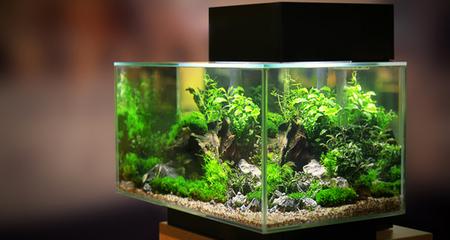
Before establishing an aquarium at home, learn more about the basics of fish care.
Updated on November 13th, 2025
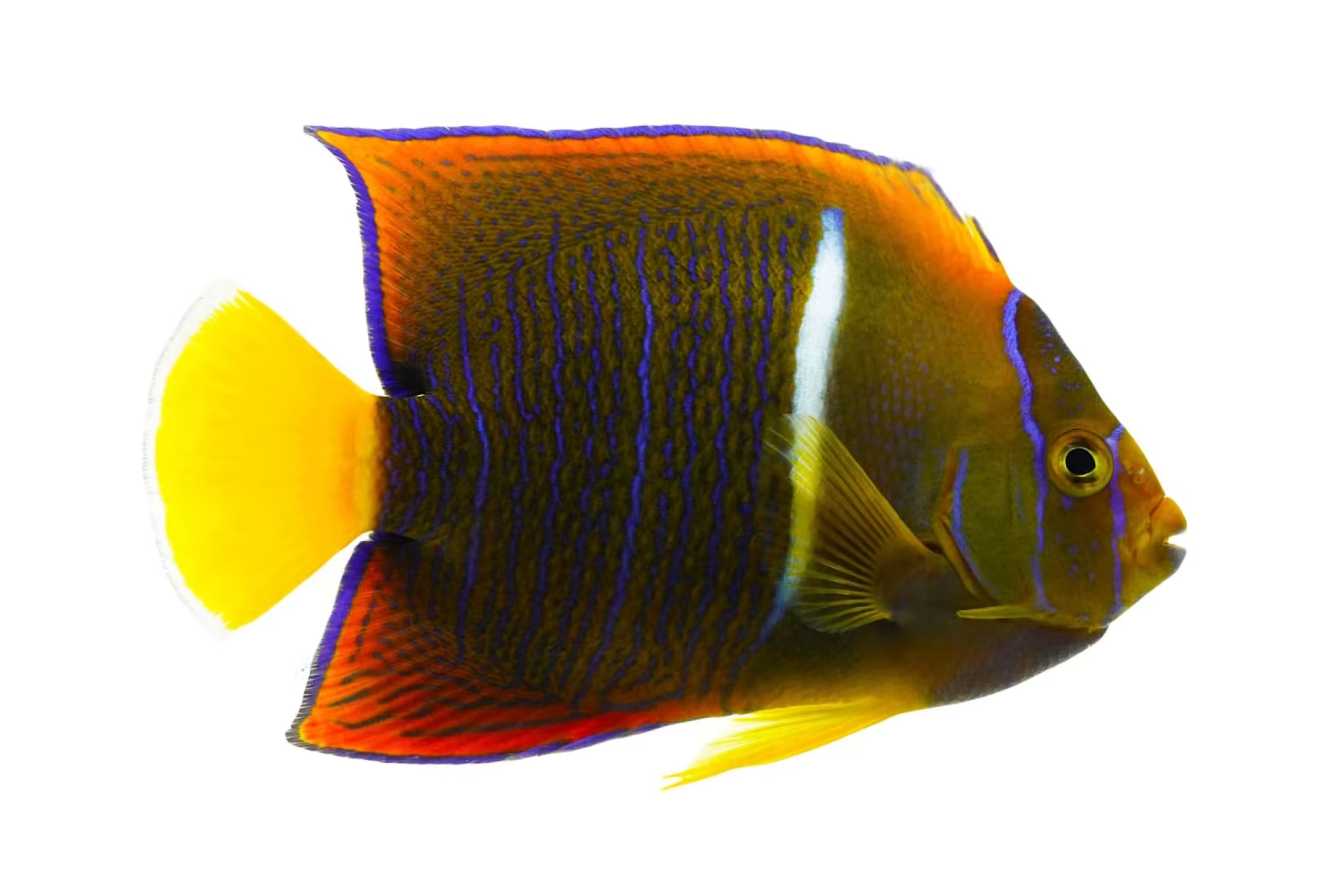
Learn how to care for large marine fish, recommended diet and habitat setup. Find the right food, supplies and equipment at your neighborhood Petco.
Updated on November 13th, 2025

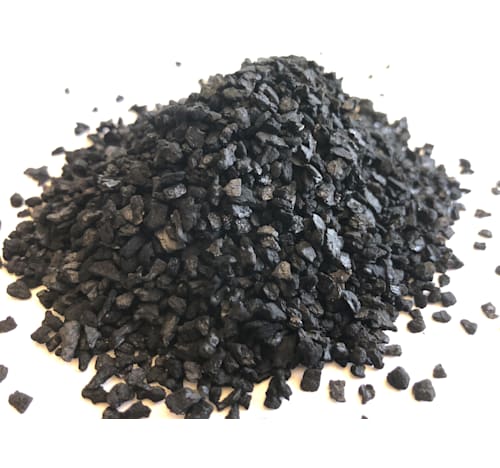
What is activated carbon and should you add it to your aquarium filter? Learn about activated carbon's uses, maintenance, and how to add it to your filter.
Updated on November 13th, 2025
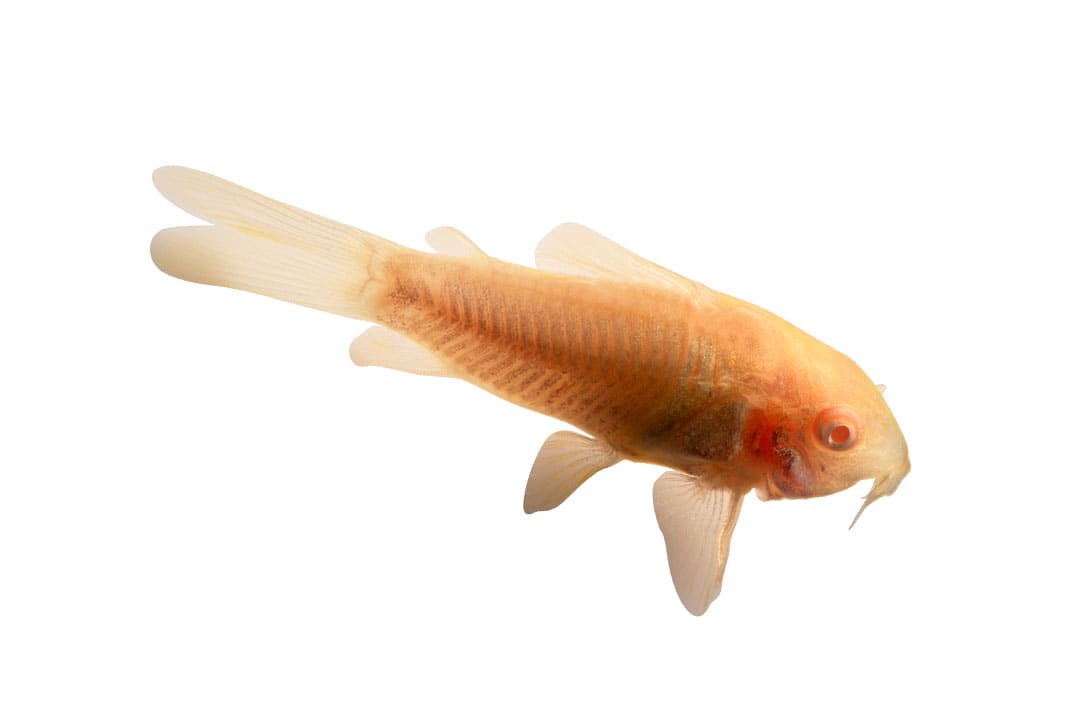
Learn how to take care of Catfish, recommended diet and tank setup. Find the right food, supplies and equipment at your neighborhood Petco.
Updated on November 13th, 2025
Before you buy any fish, you will need to set up the tank. A basic set up includes: a tank, filter, hood/light, heater, gravel and some decor. The tank should run without fish for at least 4 to 6 weeks. This gives it time to cycle. The Nitrogen Cycle is critical to the health of the tank and any fish you will be keeping. During this time, beneficial bacterial will populate the filter and substrate (gravel). These bacteria will be responsible for breaking down fish wastes and other wastes (uneaten food, dead plants, etc.). You will need a home test kit to monitor water chemistry (ammonia, nitrites, nitrates, pH) or you will have to submit water samples for testing. Most pet stores will do this for free or for a small fee. At first, you will see high levels of ammonia and nitrites. Over time, as bacteria grow, these levels will drop. When ammonia and nitrites are at 0 ppm and nitrates are below 20 ppm, you can consider adding fish. Regular (every 1 or 2 weeks) partial water changes as we
Updated on August 12th, 2025
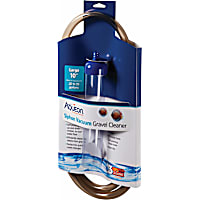
Goldfish are surface breathers so seeing them up at the top is not unusual. They are also very dirty fish, so I recommend getting a small pump for aeration and doing a partial water change. There is usually a period of cloudy water after establishing a new fish tank until the bacterial balance is established and stabilized in the tank. I also recommend getting a siphon--type tank cleaner so you can use it to clean the gravel as you remove some of the water. It acts as a vacuum to pull out all the fish poo that settles to the bottom, and the water you remove from the tank is a great thing to water any plants you have with, as it also fertilizes them. Remove no more than half of the tank's water and replace it with clean fresh water that has had the correct amount of water conditioner for the volume you're adding.
Updated on August 12th, 2025
A small tank with one Betta will require minimal upkeep. Most small HOB (hang on back) filters will be sufficient. Tetra, Fluval and Aqueon make a wide range of acceptable filters. The tank should have a cover or hood as well as a light and a heater. Bettas do best between 78 F and 80 F. Feed 1-3 pellets once or twice daily. Change the filter as per manufacturer instructions. Rinse filter media with tank water, not tap water, to preserve beneficial bacterial populations. A partial water change, no more than 20-20% of total tank volume, may be necessary every 2 weeks to maintain water quality and stable chemistry. Use only aged or conditioned water that is temperature matched to prevent stress or shock. Water conditioner brands include: AmQuel Plus, NovAqua, Prime, StressZyme and StressCoat. You don't need all of them. Follow the directions on the bottle. Allow the tank to cycle before adding a fish. This will allow beneficial bacterial populations to colonize the filter and substrate
Updated on August 12th, 2025
Yes, in order to have a healthy tank and to give your fish the best environment, it is necessary. Here is a good write-up on the reasons why: https://www.petcoach.co/article/water-chemistry-basics-ph-temperature-water-hardness-waste/
Updated on August 12th, 2025
Java Moss, Java Fern, Anubias and Amazon Swords are among the easiest live plants to care for and cultivate in an aquarium. You can use aquarium soil or aquarium sand depending on the species of plant(s) chosen. When medicating fish, it is best to remove them to a hospital or quarantine tank. This will spare live plants as well as beneficial bacterial populations, especially if an antibiotic is used. Medicated food is also an option.
Updated on August 12th, 2025