Two Easy Ways to Start Earning Rewards!
Earn 2X Pals Rewards points at Petco
when you use Petco Pay!
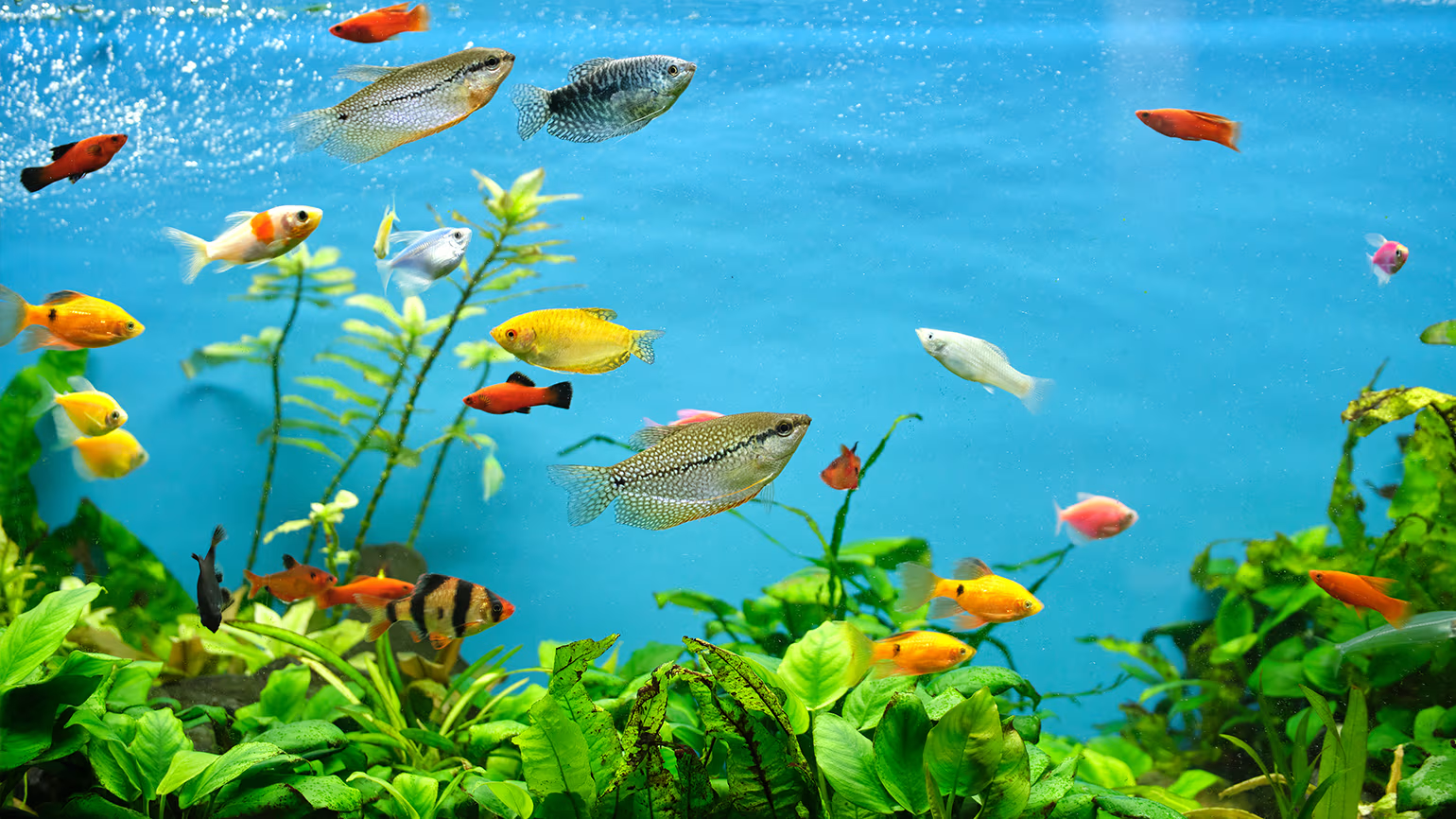
Everything you need to know about how to start a fish tank. Learn about setting up an aquarium, choosing the right type, and acclimating new fish to your tank.
Updated on November 13th, 2025
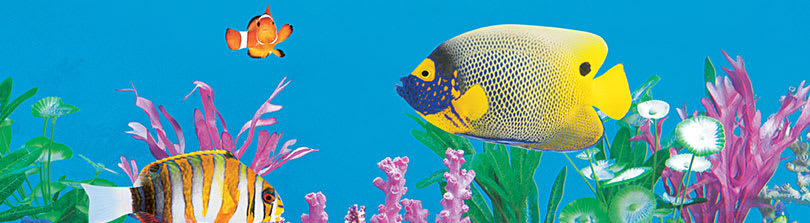
Many types of saltwater fish are identified as having easier requirements for keeping in the home aquarium or recommended for the beginner saltwater hobbyist.
Updated on November 13th, 2025
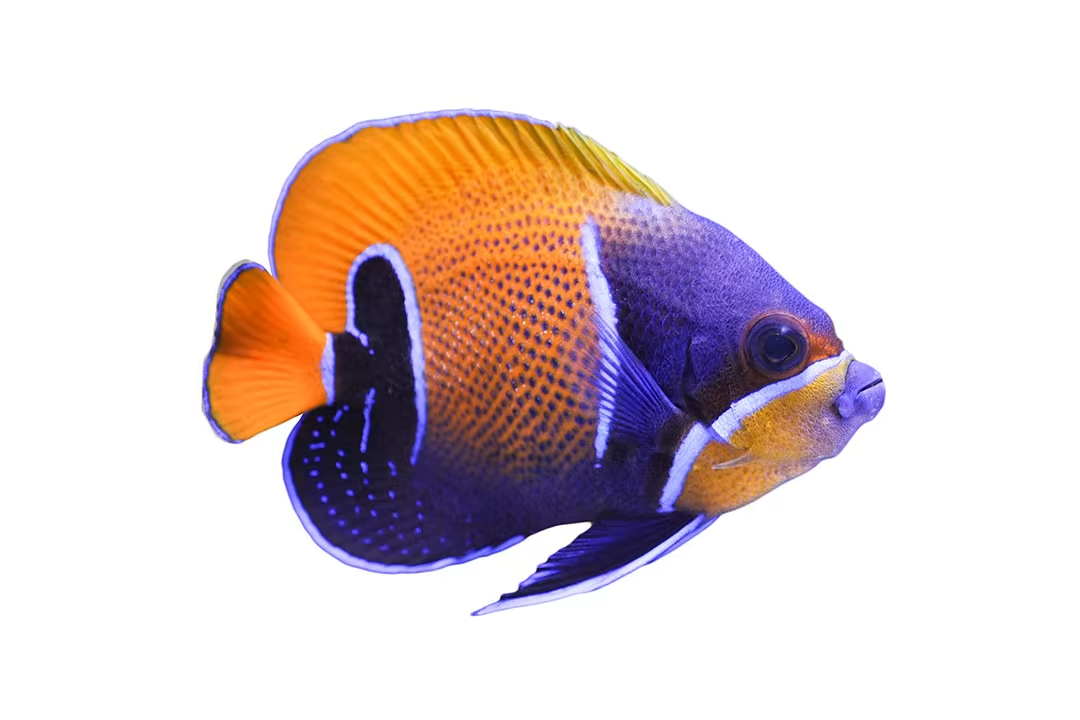
Learn how to take care of Large Marine Angelfish, recommended diet and tank setup. Find the right food, supplies and equipment at your neighborhood Petco.
Updated on November 13th, 2025
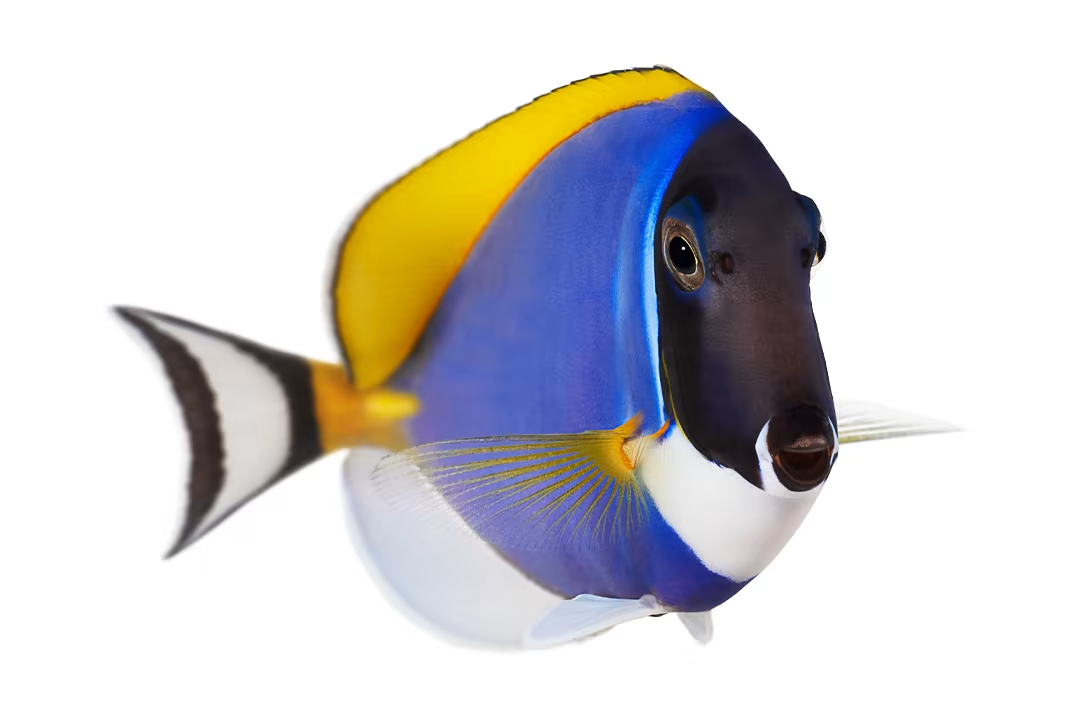
Learn how to care for a tang fish, recommended diet and aquarium setup. Find the right food, supplies and equipment at your neighborhood Petco.
Updated on November 13th, 2025

Small, AKA “Nano” tanks have grown in popularity over the past couple years and continue to gain momentum. Find out if a mini aquarium is right for you.
Updated on November 13th, 2025
Check the water chemistry. Confirm ammonia and nitrite levels are 0.25ppm or less and nitrates are 40ppm or less. Use a liquid test kit or submit a sample for testing. Most pet stores or aquarists will do this for free or for a small fee. Partial water changes, about 30% can be done to decrease high levels. Use only aged or conditioned water that is temperature matched to prevent further stress or shock. My preferences for water conditioning are AmQuel Plus and NovAqua in addition to StressCoat. Confirm water temperature between 78F and 80F. You can soak pellets in some garlic juice to stimulate his appetite.
Updated on August 12th, 2025
I would recommend to have the water completely changed. New water should be ideally submitted for quality testing. Most pet stores will do this for free or a nominal fee. High ammonia levels, PH imbalances may be responsible for that as well. Oxygen concentration and quality of the filters should be determined as well. Please do not hesitate to contact us again on the forum or by requesting a consultation if you have any more questions or to discuss it any further.
Updated on August 12th, 2025
When used as instructed, plant nutrients and fertilizers designed specifically for aquarium plants will not harm aquarium fish. Allow new aquarium plants to settle and establish themselves before adding any fertilizers. Use aquarium plant substrates such as CaribSea Eco-Complete Plant Substrate http://www.drsfostersmith.com/product/prod_display.cfm?pcatid=9087 to get your plants established faster. Seachem Flourish Advance Natural Phytohormone Supplement http://www.drsfostersmith.com/product/prod_display.cfm?pcatid=33890 will help stimulate root growth vital for overall plants health. Even though you have plants with low to moderate light requirements, be sure to use aquarium light specifically designed for planted aquarium use (sometimes called plant lights) and have the lights on between 10 and 12 hours a day. You may need to adjust the photoperiod (the amount of time the light is on) depending on how your plants are doing and to prevent unwanted nuisance algae growth.
Updated on August 12th, 2025
Water conditioning can be complicated and I recommend to stop by your local aquarium store. They are most often familiar with the local water quality and can give recommendations specific to your location. Some areas need buffering solutions to help control things like the water pH. Here are a few links which may help answer some of your questions about water condition: https://www.aqueon.com/articles/freshwater-aquarium-water-quality https://www.petcoach.co/article/aquarium-water-management-alkalinity-vs-water-hardness/ Before moving your goldfish, make sure all the conditions are appropriate for goldfish: https://www.aqueon.com/information/care-sheets/goldfish https://www.petcoach.co/article/how-to-help-your-new-goldfish-thrive/ I hope this helps and please feel free to post any additional questions.
Updated on August 12th, 2025
Monitor water chemistry using a home test kit or submit a water sample for testing. The local Petco may do this for free or for a small fee. Aim for an absence (0 ppm) of ammonia and nitrites with nitrates at 20ppm or less. Perform partial water changes to stabilize chemistry and/or to improve water quality. Use only conditioned water that is temperature matched to prevent stress or shock. Pristine water quality is the foundation for healing and recovery from infection or injury in fish. You can use plain aquarium salt (NOT table or Epsom salt) as a general tonic to reduce stress, improve gill function and aid in recovery. Dissolve 1 teaspoon of salt per gallon of water in a cup or two of water and gently pour it into the tank. Treat for 14 days then reassess the condition. An "all in one" product, such as Lifeguard (by Tetra), can be used concurrently to treat infection or parasites. Find one in the aquarium section of the local Petco. Follow label directions carefully and remove
Updated on August 12th, 2025