Two Easy Ways to Start Earning Rewards!
Become a member today! Members-only pricing and offers, personalized care notifications, Vital Care points back on every purchase and more!
 Become a credit card member today!
Earn 2X Pals Rewards points at Petco
when you use Petco Pay!APPLY NOWLearn More About Petco Pay Benefits
API Pond Filters
Get It Today



Related Articles & Questions
- Care Sheets
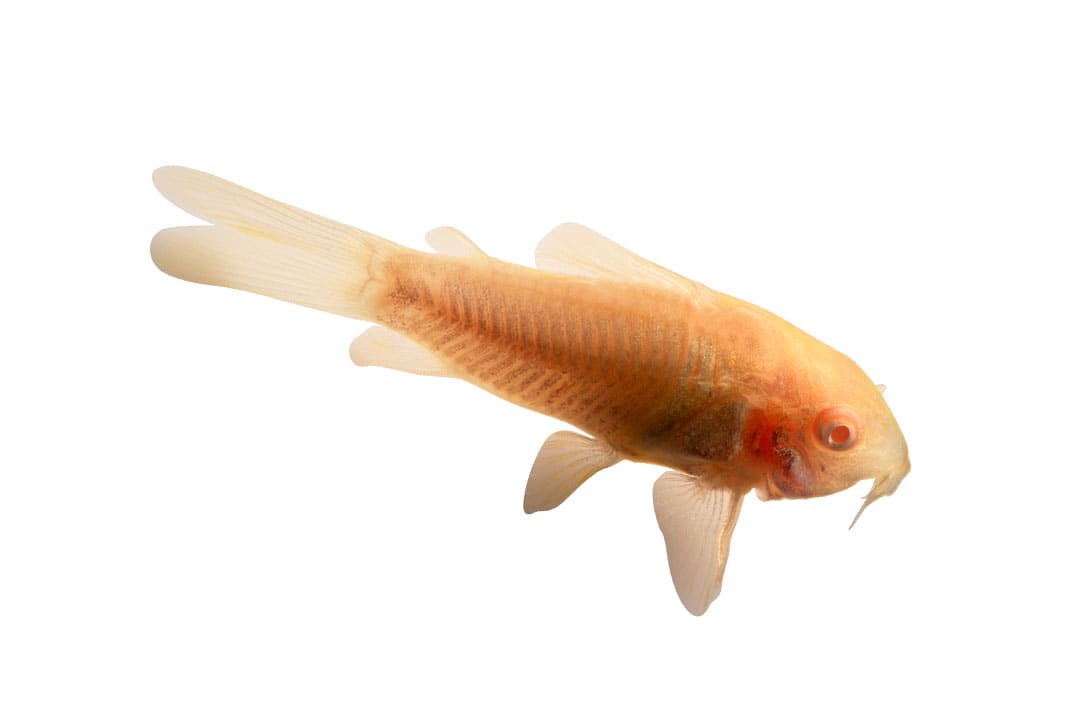
Catfish Care Guide: Tank Setup, Feeding, & Species for Healthy Fish
Learn how to take care of Catfish, recommended diet and tank setup. Find the right food, supplies and equipment at your neighborhood Petco.
Updated on April 9th, 2026
- New Pet
Best Fish for Beginners: Top Freshwater Picks
Some fish species generally do well in smaller aquariums, are more adapted to aquarium life, & can be slightly more forgiving with water quality fluctuations.
Updated on June 19th, 2026
- Care Sheets
Freshwater Aquarium Setup: A Step-by-Step Guide for Beginners
Learn how to set up a freshwater fish tank and key considerations regarding placement, supplies needed, and the set up process.
Updated on October 23rd, 2025
- Care Sheets
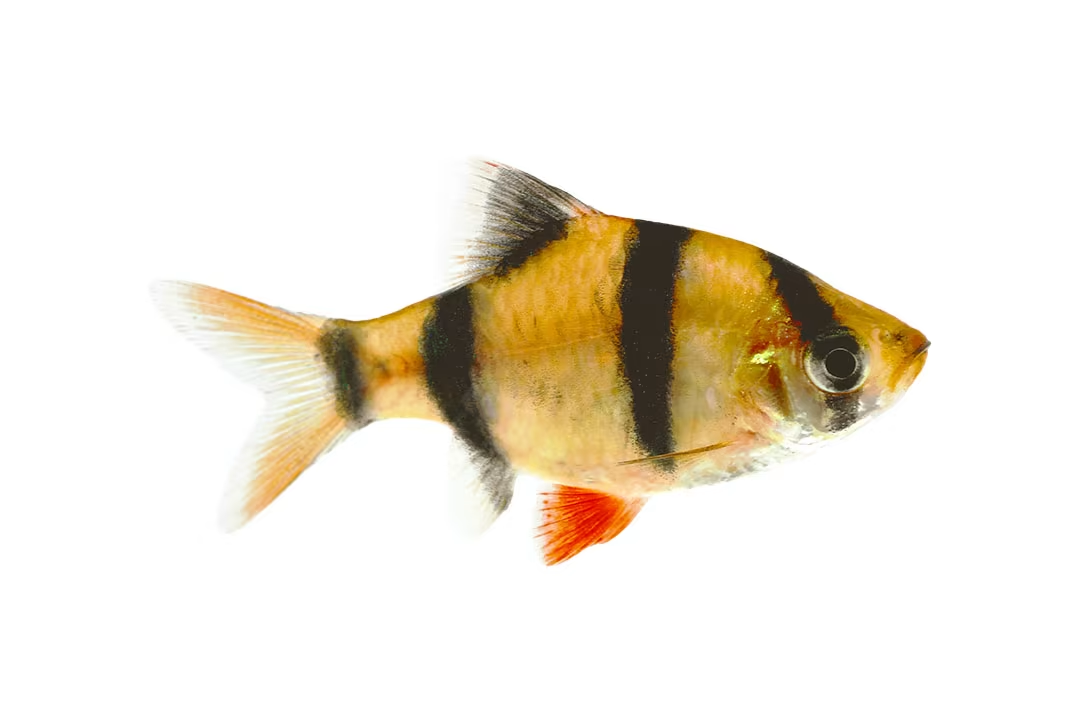
Barbs Fish Care Guide for Beginners: Tank, Food & Compatibility
Learn how to care for Barbs fish, recommended diet and aquarium setup. Find Barbs for sale, supplies and equipment at your neighborhood Petco.
Updated on April 9th, 2026
- Care Sheets
Thriving Freshwater Shrimp: Tank, Food, & Compatibility Tips
Learn how to care for Freshwater Shrimp, recommended diet & aquarium setup. Find the right food, supplies & equipment at your neighborhood Petco.
Updated on April 9th, 2026
- Vet Q & A
Why are my fish gasping at the surface after cleaning the bowl?
Begin by submitting a water sample for quality testing. Most pet stores will do this for free or a nominal fee. High ammonia levels, PH imbalances may be responsible for that. Oxygen concentration and quality of the filters should be determined as well. Lack of oxygenation could be the cause of it. If water quality is good and there are no major imbalances, Bubbles should examined to look for any sign of bacterial/fungal infection and eventually water should be treated. Please do not hesitate to contact us again on the forum or by requesting a consultation (where you can post pictures ) if you have any more questions or to discuss it any further.
Updated on September 24th, 2025
- Vet Q & A
Can I use cycled filter media for instant fish in a new tank?
Actually this is a good idea! I would however, make sure that the water temperature is the same as in the already running tank, so the good bacteria in the filter do not die. But , yes you can definitely do this without having to wait.
Updated on September 24th, 2025
- Food & Nutrition
How to care for Silver Perch? Tank, food, breeding, and water needs.
Depending on the number of fish you get, water quality will be the most important factor in maintaining their health. You'll need quite a large filter for a tank that size. Ideally, choose one that is rated to handle at least twice volume of water in the tank. Mechanical, chemical and biological filtration are all recommended as well as the inclusion of an ultraviolet filter. Silver perch are hardy and can tolerate a wide range of water parameters but thrive at temps between 23 C and 28 C. You may need a heater or heaters capable of maintaining that range. They will spawn anywhere between October and April depending on the age of the fish. Mature fish will spawn early, between October and February, while younger fish will spawn late winter into early Spring. They are an omnivorous species but do well on a commercial pelleted fish chow. One suggestion would be to contact local owners of fish ponds, pond builders and large scale breeders to get more detailed information and to see operations and set up in person.
Updated on September 24th, 2025
- Vet Q & A
My fish died. How do I make my aquarium water safe for new fish?
I would recommend to have the water completely changed. New water should be ideally submitted for quality testing. Most pet stores will do this for free or a nominal fee. High ammonia levels, PH imbalances may be responsible for that as well. Oxygen concentration and quality of the filters should be determined as well. Please do not hesitate to contact us again on the forum or by requesting a consultation if you have any more questions or to discuss it any further.
Updated on September 24th, 2025
- Vet Q & A
Why do my fish keep dying in my newly set up aquarium?
It is possible the tank has not cycled properly which results in high ammonia and nitrite levels which can kill fish. Allow the tank to run, without fish, for at least 4-6 weeks. During this time, use a home test kit or submit a water sample for testing every few days. The local Petco may do this for free or for a small fee. What you are looking for is to have ammonia and nitrites at 0 ppm and nitrates at 20ppm or less. pH can hover around 7 for most community fish. Avoid large, rapid swings in pH though. What is happening in the tank during this time is that beneficial bacteria are populating the gravel/substrate and the filter. These bacterial populations are responsible for the Nitrogen Cycle. This cycle breaks down wastes from fish, uneaten food and plant matter into by-products that are filtered out or dissipate. You can "cycle" a tank with fish, however this increases the risk of loss. Once your tank has cycled, you can add fish. You will still need to monitor water chemistry and perform partial water changes regularly. Use only conditioned water that is temperature matched to prevent stress or shock. You will also need to vacuum the gravel regularly and rinse the filter media. Never use tap water to rinse. Use a bit of tank water to protect bacterial populations in the sponge.
Updated on September 24th, 2025