Tetra Reptile
Get It Today




Related Articles & Questions
- New Pet
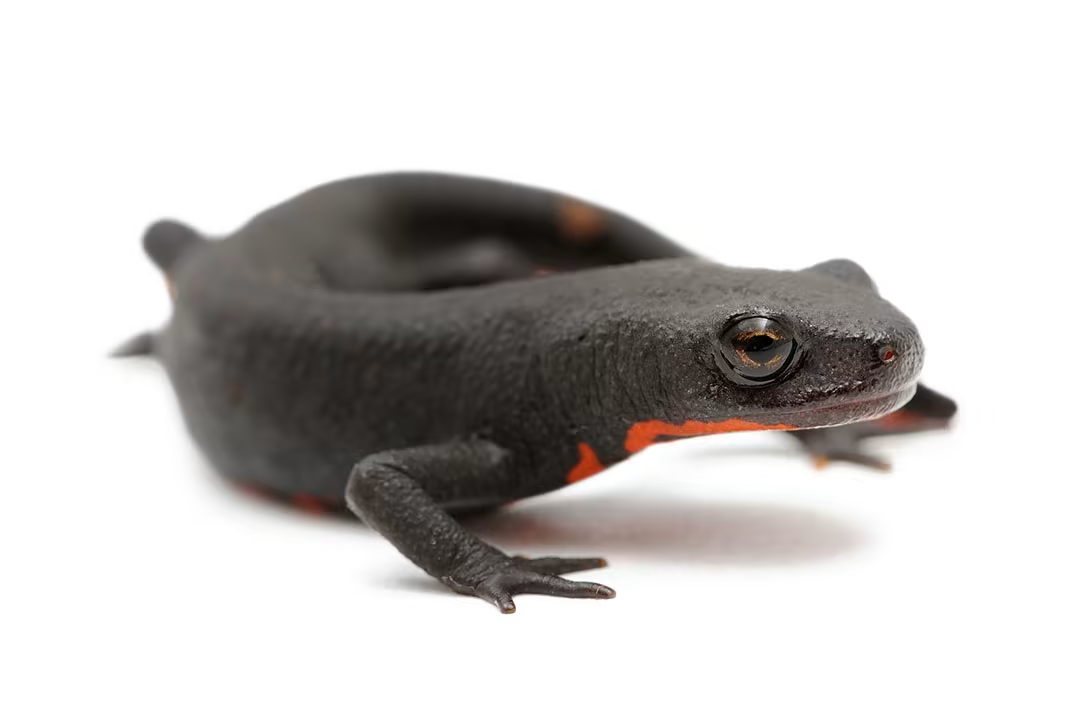
Mastering Pet Salamander & Newt Care: Food, Habitat, Health Guide
Learn How to Care for a Salamander & Newts, recommended diet and habitat setup. Find the right food, supplies and equipment at your neighborhood Petco.
Updated on October 23rd, 2025
- Seasonal Topics
Don't Let Reptiles Freeze! Power Outage Warmth & Safety Tips
Learn some tips and strategies that can be used to get your pet reptiles safely through a power outage regardless of the time of year.
Updated on October 23rd, 2025
- Home & Habitat
Reptile Lighting: Choose the Best Heat & UVB Lamp for Your Pet
When it comes to reptile habitats, one of the most essential elements to creating a happy home for your pet is including the appropriate type of lighting. Zoo Med helps outline which lights are right for your pet.
Updated on October 23rd, 2025
- New Pet
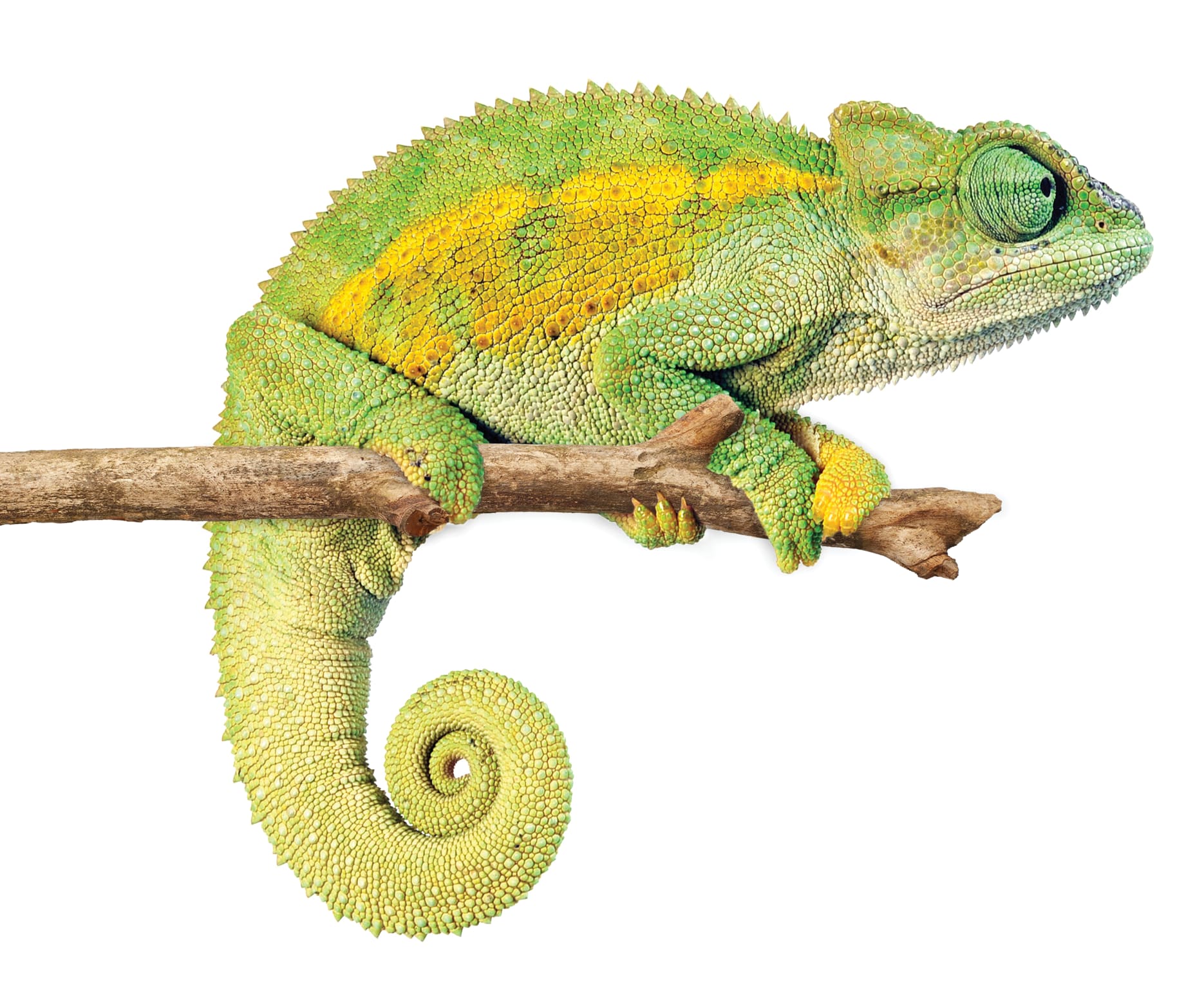
Cool Climate Chameleon Care: Habitat, Food, Health & Setup Secrets
Learn how to care for cool climate Chameleons, recommended diet & habitat setup. Find the right food, supplies & equipment at your neighborhood Petco.
Updated on October 23rd, 2025
- New Pet
Terrestrial Turtle Care Guide: Food, Habitat, & Setup for a Happy Pet
Learn how to care for terrestrial turtles, recommended diet & habitat setup. Find the right food, supplies & equipment at your neighborhood Petco.
Updated on October 23rd, 2025
- Health & Wellbeing
What should I feed my red ear slider with shell pyramiding and how often?Also which heat lamp would you recommend?Picture 1 or 2?How many watts should I get for the heat lamp?
A proper diet for red-eared sliders includes a complete pellet, such as those made by ReptoMin, and dark leafy green vegetables. This can be fed once per day, and the amount should be based on how many pellets Cooper can eat in 5-7 minutes. This is just a guideline, and your veterinarian can help you to determine if this is appropriate based on Cooper's body condition score (i.e. whether she is overweight or not). For a heat lamp - photo 1 just looks like the dome, and there doesn't appear to be a bulb in it. The second lamp looks like it is a daytime only heat lamp - it is often beneficial to have a heat source that can be used during the day or at night, and if that is what you are looking for, I would recommend a ceramic heat bulb. If you are looking for only a daytime basking bulb, there are many brands that would be appropriate. The key words that you should look for are "daytime basking bulb." For watts - it depends on how far the bulb is away from your turtle - there are some b
Updated on September 24th, 2025
- Health & Wellbeing
my gf caught this lizard in Jeju, South Korea; we think it's of the Takydromus family; she is caring for him because she's worried about his injury - she has ordered mealworms for him to eat--any other recommendations? - he has had one of his hi
It does appear to be of the takydromus species. These grass lizards are common and fairly easy to keep. Being adept climbers, more vertical space should be offered in an enclosure. Branches and vines can be placed for climbing. Bring reptiles, they need an external heat source and UVB lighting. Daytime temps can range from 24 C to 30 C (75-85 F). Provide a basking spot of around 35 C to 38 C (95-100 F) using a heat lamp. Aim for 70-80% humidity. Provide a shallow bowl for water. Mist the cage daily. Feed appropriately sized prey, no bigger than the space between the eyes, that have been gutload for 24 hours prior to offering. This will maximize nutritional value. Crickets, mealworms, dubia roaches, waxworms or wingless fruit flies can all be offered. Dust prey with a calcium supplement and a multivitamin supplement several times weekly. Ideally, the wound should be addressed by a veterinarian experienced in treating reptiles. You can clean it with dilute Betadine or chlorhexidine
Updated on September 24th, 2025
- Health & Wellbeing
What’s the difference between reptile water conditioner and any other kind of water conditioner life fish
Reptile water conditioner usually contains chemicals such as Water, Dechloraminating Agents, Synthetic Organic Polymers (Colloids), Chelating Agents, Electrolytes. The reptile conditioner usually also has a chemical that binds calcium in the water as well as a slime protecting agent that is good for amphibians and fish. Aquarium water conditioners (for fresh water fish) contains chemicals such as sulfates such as sodium thiosulfate. Thiosulfate is a Redox reducing agent. Either should be ok for reptiles or fish, however I would stick with reptile conditioner for reptile tanks or mixed (reptile and fish) tanks and for aquaria with fish only I would use specific aquarium water conditioner. The main reason to use a water conditioner is to remove chlorine in water. This, however, can also be attained by leaving the aquarium water fresh from the tap sitting over night. The chlorine will dissipate.
Updated on September 24th, 2025
- Food & Nutrition
hello i just got 2 pet turtles they're pretty small. My friend gave them to me and I honestly don't know what they need and I dont know what's their sex. I just need to know everything overall, tank, food everything. thank you!
If you post another question with images of Nala and Simba attached, we can possibly identify the species. This would make it easier for us to provide correct care information. In general, aquatic turtles need: a tank, clean water, a submersible heater, an area out of the water for basking, a heat source, a UVB light source and proper food. Two babies will be fine in a 10 gallon tank for now (20 gallons would be better), but as they grow, so their tank must grow. Ideally, you want to provide 10 gallons of water per inch of turtle as a general guideline. This means you may be looking at a 100 gallon tank or larger when they are full grown.Please don't release them into the wild after reading that! The water level should be no deeper than twice the length of their shells. That will increase as they grow and become adept swimmers. Most species do well in water that is kept about 80 F. A heat lamp can provide an area for basking near 90 F. A UVB light provides beneficial rays to aid in
Updated on September 24th, 2025
- Health & Wellbeing
Hey, so I just got a Kleinmann's tortoise the day before yesterday and it wouldn't eat at all and it only come out of its shell when I'm not around and when wcone near it it immediately goes back inside and never comes out. I also think that it has a
Check the temperature across the enclosure. Low temps can affect activity, appetite and digestion in reptiles. Expect Raph to be a bit skittish in his new home. Make sure he has fresh food and clean water. Give him a week or so to "settle in". When around the cage, move slowly and speak softly. Being that he is "new", he should be examined by your veterinarian or a vet experienced in treating reptiles to make sure the runny nose is not due to a developing respiratory infection.
Updated on September 24th, 2025