Two Easy Ways to Start Earning Rewards!
Earn 2X Pals Rewards points at Petco
when you use Petco Pay!
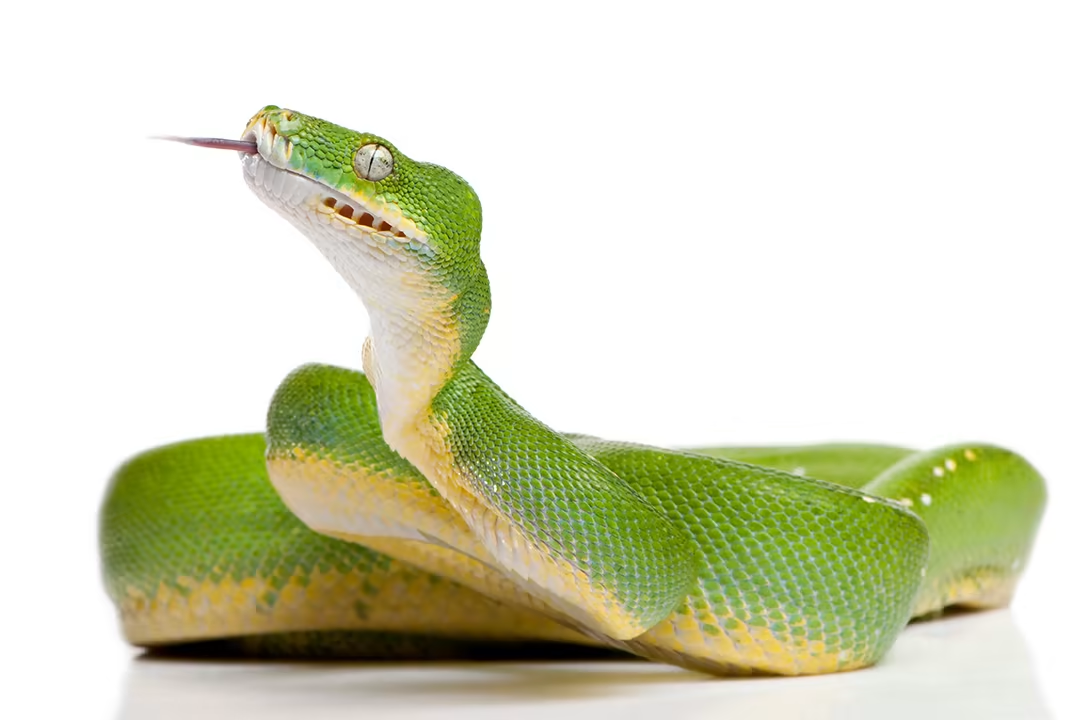
Learn how to take care of your Green Tree Python, tank size, diet & habitat setup. Find the right food, supplies and equipment at your neighborhood Petco.
Updated on October 23rd, 2025
When it comes to reptile habitats, one of the most essential elements to creating a happy home for your pet is including the appropriate type of lighting. Zoo Med helps outline which lights are right for your pet.
Updated on October 23rd, 2025
Read more about our recommendations for preventing the transmission of infectious diseases in reptiles. Keep pets safe with these best practices.
Updated on October 23rd, 2025
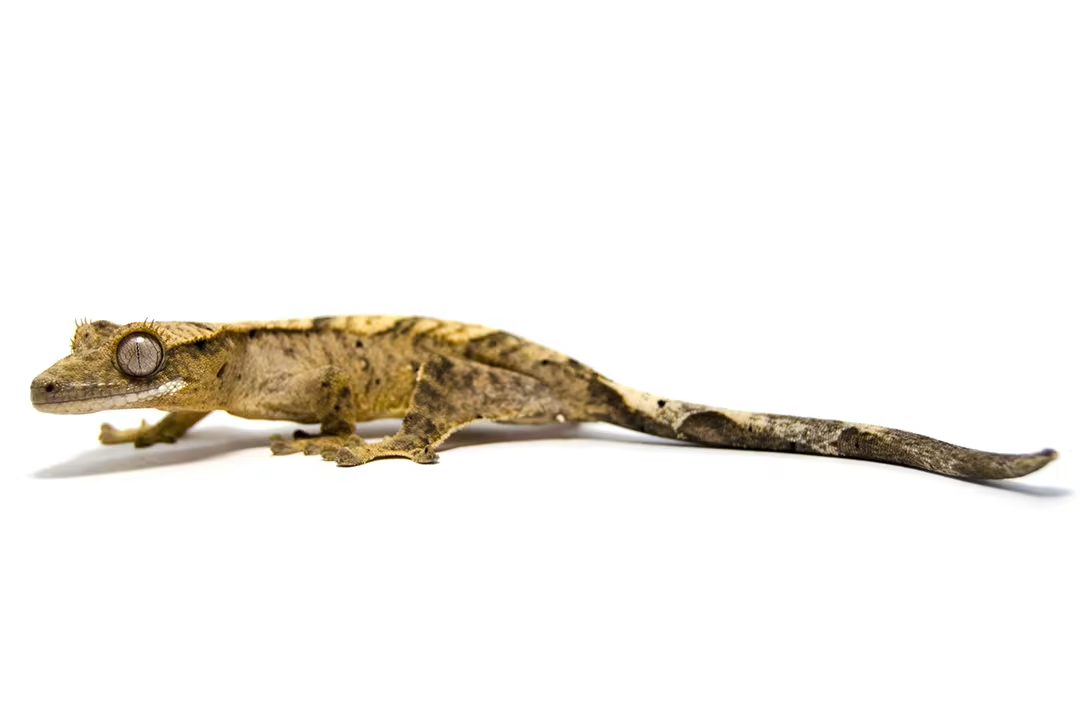
Learn how to take care of your Crested Gecko, tank size, diet & habitat setup. Find the right food, supplies and equipment at your neighborhood Petco.
Updated on December 22nd, 2025
Learn how to care for a Sand Boa, recommended diet and habitat setup. Find the right food, supplies and equipment at your neighborhood Petco.
Updated on October 23rd, 2025
What you have appears to be an aquatic/semi-aquatic species of turtle. Basic requirements include a tank of at least 10 gallons initially, a water heater, a water filter, a basking area out of the water, a heat lamp and a UVB light source.
Updated on September 24th, 2025
A better option would be to use the link below to find a veterinarian experienced in treating reptiles. https://arav.site-ym.com/search/custom.asp?id=3661 In the meantime, change out the rocks for something "softer", such as a soil/most mix. Rocks can cause tiny scrapes on the shell which can introduce infection. Use a thermometer in the basking spot to make sure temps don't get too high. A thermometer on the other end would be recommended to make sure temps aren't too low. Offer a commercial pelleted diet along with fresh greens and vegetables.
Updated on September 24th, 2025
As long as it was properly sanitized, it should be safe to use. The diluted bleach, chlorhex and hot water rinse should have cleaned it adequately. Unfortunately, the only definitive method would be swab the tank and culture it. That said, it is *likely* fine to use.
Updated on September 24th, 2025
Soak Razor in warm water for 15-20 minutes. Gently rub off any loose shed but do not pull or tear at it. If he is wiggly, you can place him in a small container with paper towels moistened with warm water for 15-20 minutes. The moist heat and humidity should help with the shed. Make sure he can breathe in the container. You can put this moist hide in his enclosure so he has a place to go when he is shedding. Monitor his stool and submit a sample to your vet to diagnose intestinal parasites if you see more "green liquid".
Updated on September 24th, 2025
Thanks for your question about Tarzan. The lack of activity that you are describing may be normal for Tarzan, but when you then combine it with her not shedding and not going to the bathroom very often I begin to suspect that there is something else going on. I would recommend feeding Tarzan a small salad of dark leafy greens on a daily basis, with calcium supplementation 2-3 times per week based on her age. I would also recommend protein 2 times per week based on her age as well. You eluded to having recommended temperatures in the cage, but I didn't see how you were monitoring the temperatures or if there was UVB light provided. I would recommend monitoring using a digital thermometer and changing the UVB light every 4-6 months. I am glad that she seemed to be doing okay at her vet visit in the fall. I didn't see if blood work was performed, but that is something that I recommend for every reptile at regular intervals for wellness examinations, as reptiles are very good at hiding th
Updated on September 24th, 2025