Two Easy Ways to Start Earning Rewards!
Earn 2X Pals Rewards points at Petco
when you use Petco Pay!
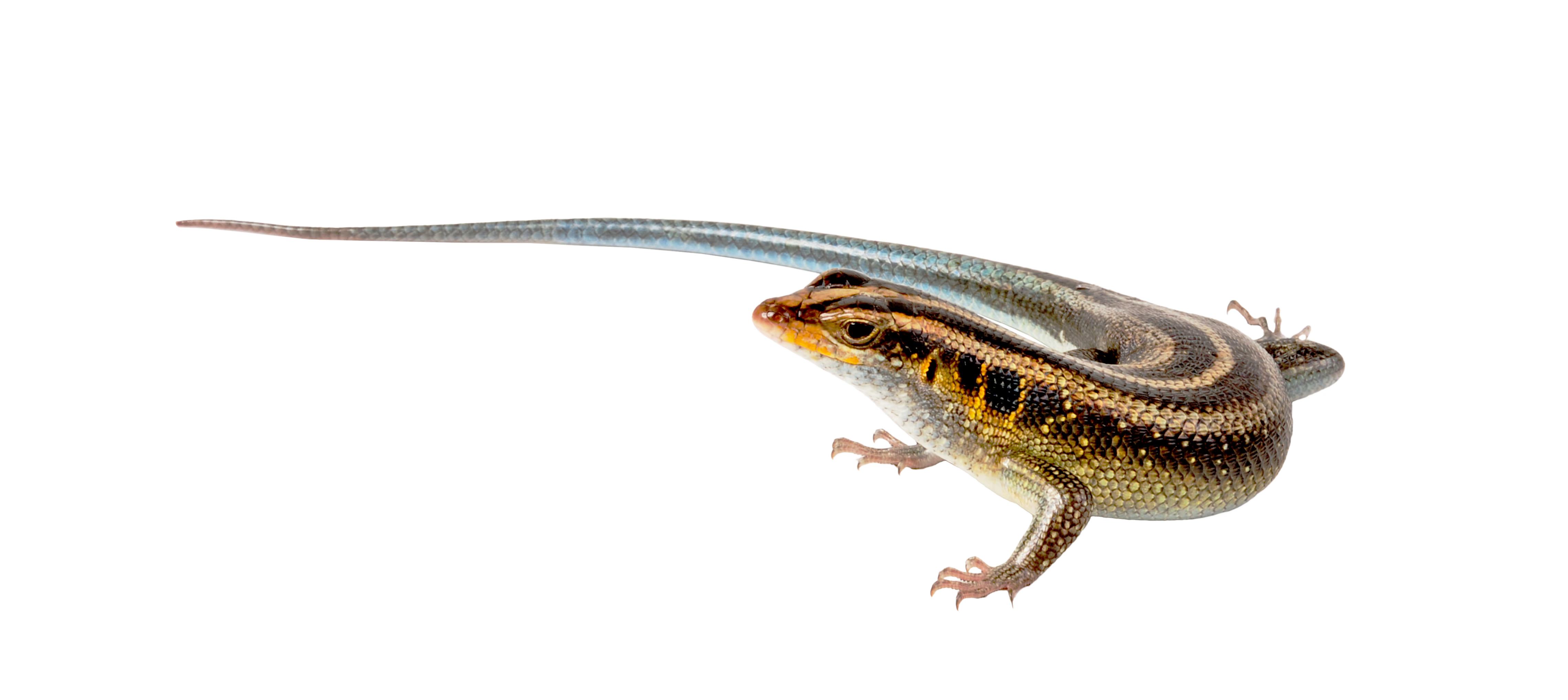
Learn how to care for an Arid Skink, recommended diet and habitat setup. Find the right food, supplies and equipment at your neighborhood Petco.
Updated on November 13th, 2025
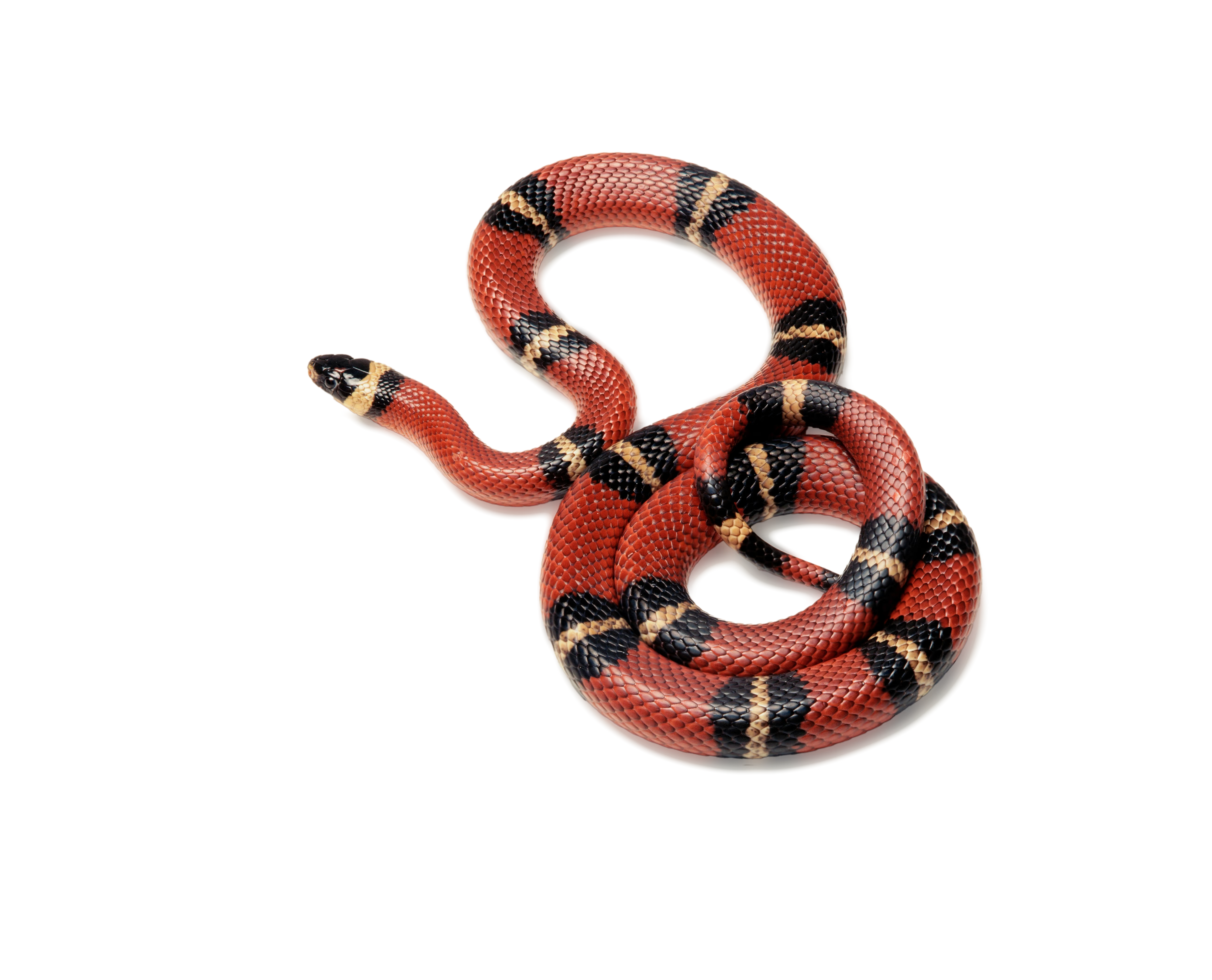
Learn how to care for Colubrids recommended diet and habitat setup. Find the right food, supplies and equipment at your neighborhood Petco.
Updated on November 13th, 2025
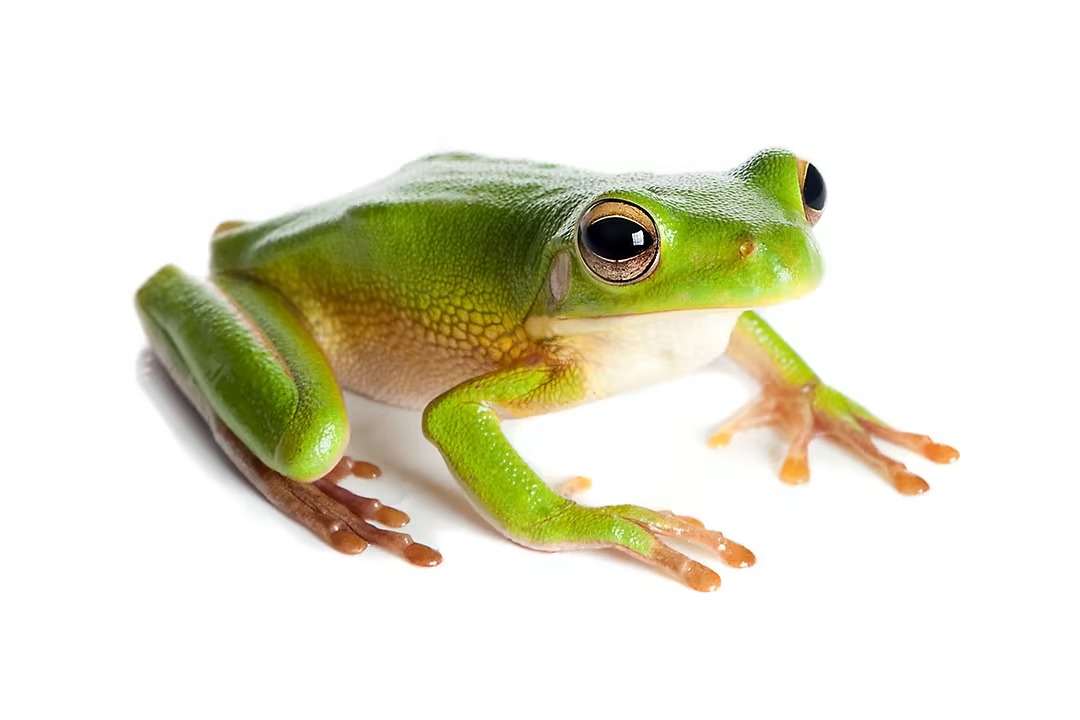
Learn how to take care of Green Tree Frog, recommended diet and tank setup. Find the right food, supplies and equipment at your neighborhood Petco.
Updated on November 13th, 2025
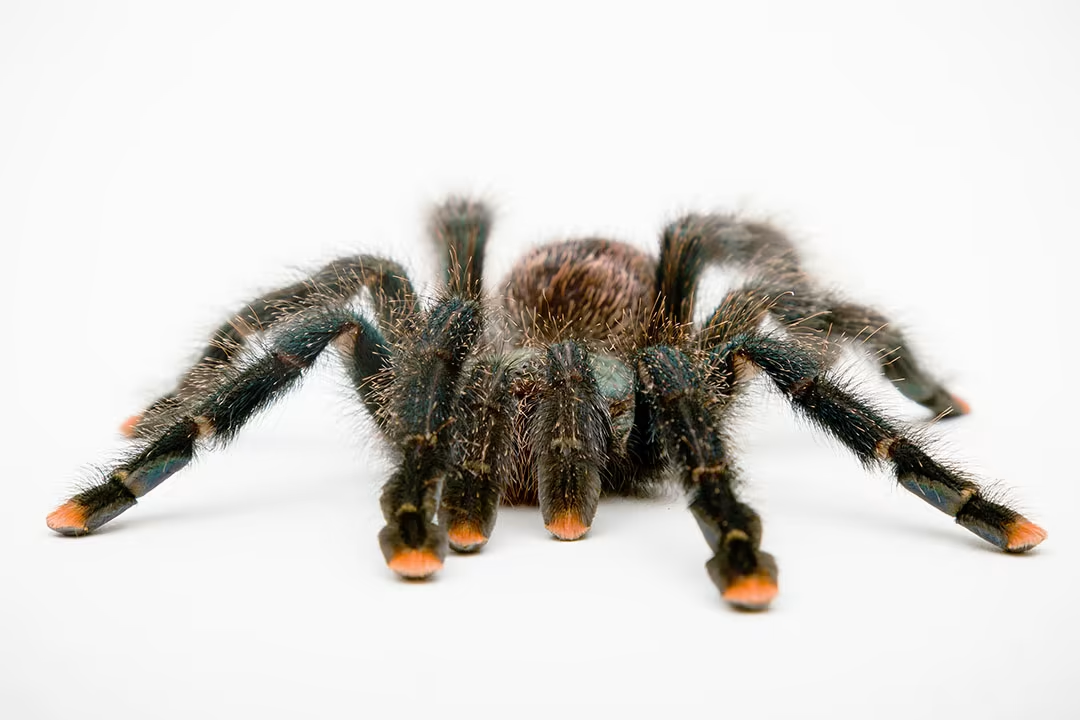
Learn how to care for arboreal tarantulas, recommended diet & habitat setup. Find the right food, supplies & equipment at your neighborhood Petco.
Updated on November 13th, 2025
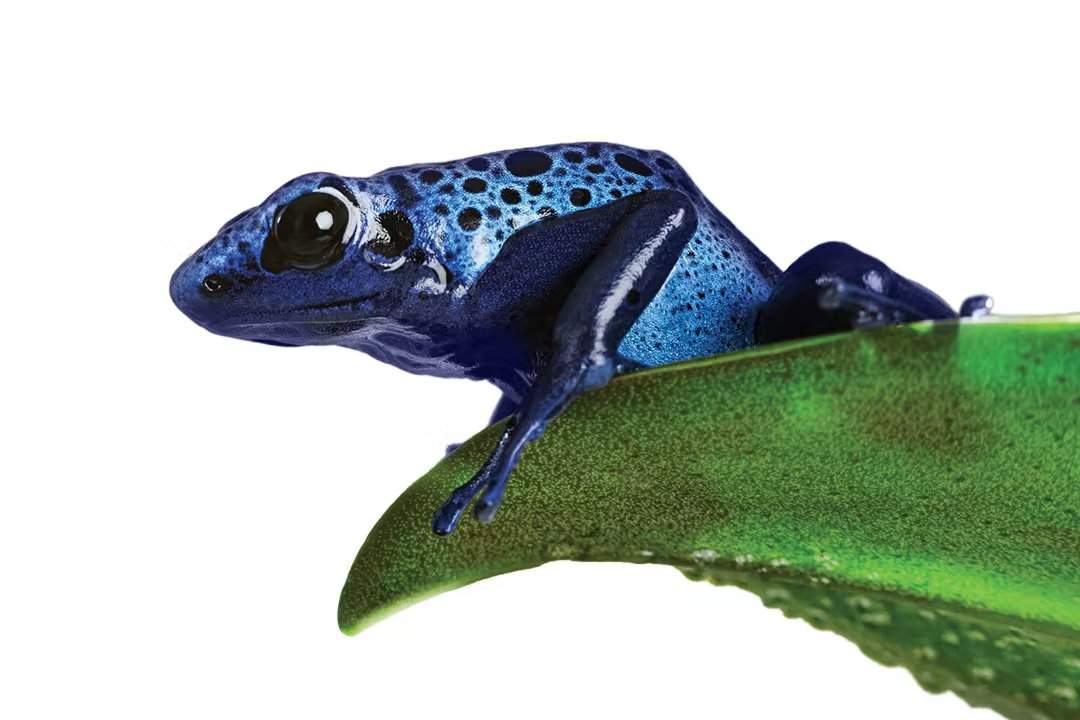
Learn how to take care of Arrow Frogs, recommended diet and tank setup. Find the right food, supplies and equipment at your neighborhood Petco.
Updated on November 13th, 2025
Check the temperature an dlighting. Low temps can affect appetite and digestion in reptiles. Offer a biologically appropriate diet. This can include a commercial pelleted or stick diet, and being omnivorous, should also include insects, fresh fruit and vegetables. See your veterianrian or vet experienced in treating reptiles if she does not regain her appetite.
Updated on August 12th, 2025
Often when a reptile doesn’t want to eat, it is a sign that they don’t feel well. The most common reason behind them not feeling well is imperfections in their husbandry and diet. I would recommend consulting an online care sheet to ensure that your husbandry is as perfect as possible. Common areas of imperfection include temperature, lighting, and humidity. I would also recommend having Ash seen by a veterinarian, as they can help to counsel you about Ash’s husbandry as well. In addition to a thorough physical examination, they may recommend diagnostic testing including radiographs (x-rays) and blood work to evaluate systemic health. I hope that gives you a place to start, and thanks for using Boop by Petco!
Updated on August 12th, 2025
Hello, I’m glad you are taking steps to correct the MBD. Oral calcium is important as well as vitamin A and hydration. I like Repashy vitamin A dust on crickets every 2 weeks and calcium powder dust with every other feeding. Make sure the humidity stays above 50-60%. This is very hard inside in the winter so it will be a constant battle. Gut load and dust all insects fed, if you have a drip or misting system, ensure that is working well. The UVB light should be changed every 6 months. MBD lizards are at higher risk of infections and fractures so keep a close eye on his appetite and activity. Pad branches and lower branches if he seems unsteady. Most of all, be patient. Reptiles take a long time to get sick and take just as long to recover. It can take several months for him to bounce back, and any distortion or trauma to his bones may always be noticeable. If you’d like to discuss this more, don’t hesitate to request a consult. Take care!
Updated on August 12th, 2025
Are you sure he isn't going into a shedding period? Confirm proper environmental parameters, especially heat and UVB lighting. Low temps may cause stress which could cause him to become dull. Replace the UVB lights if older than 6 months. Mist him daily and use hygrometers in his enclosure to confirm proper humidity levels. Monitor for lethargy or decreased appetite. If necessary, have him examined by your veterinarian or a vet experienced in treating reptiles to diagnose illness or injury.
Updated on August 12th, 2025
Depending on the species and environment, the yellow may be normal coloring. Monitor for lethargy, decreased appetite or loose droppings. These are symptoms that should be addressed by your veterinarian or a vet experienced in treating reptiles.
Updated on August 12th, 2025