Two Easy Ways to Start Earning Rewards!
Earn 2X Pals Rewards points at Petco
when you use Petco Pay!
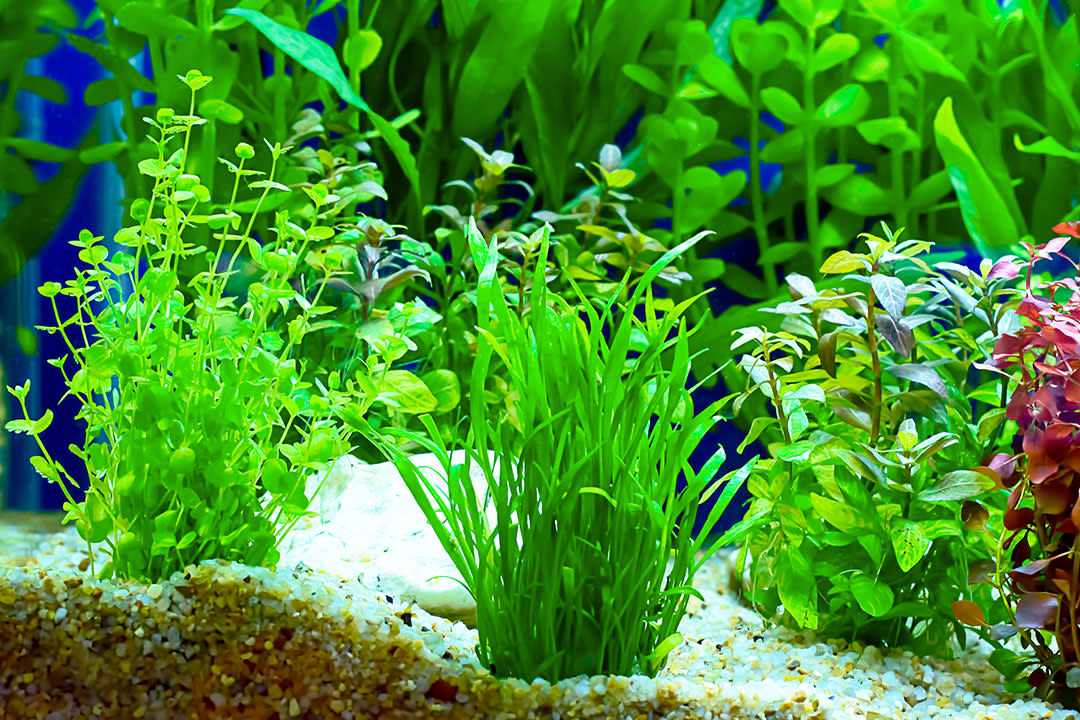
Tanks with live plants can be excellent additions to your home, bringing a touch of nature indoors. Learn how to take care of aquatic plants.
Updated on November 13th, 2025
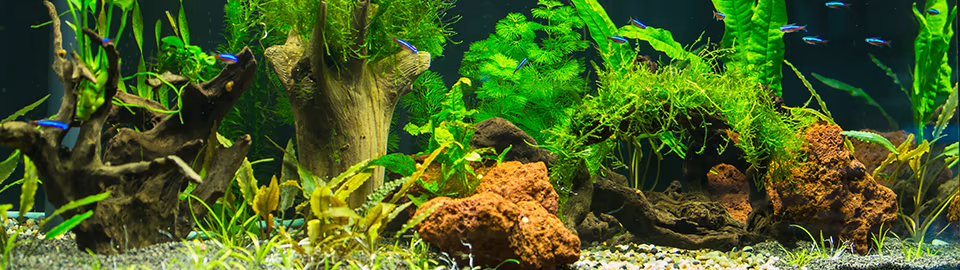
Discover how to hardscape your aquarium here at Petco. Visit Petco and check out aquarium hardscape ideas, solutions and much more for your fish.
Updated on November 13th, 2025
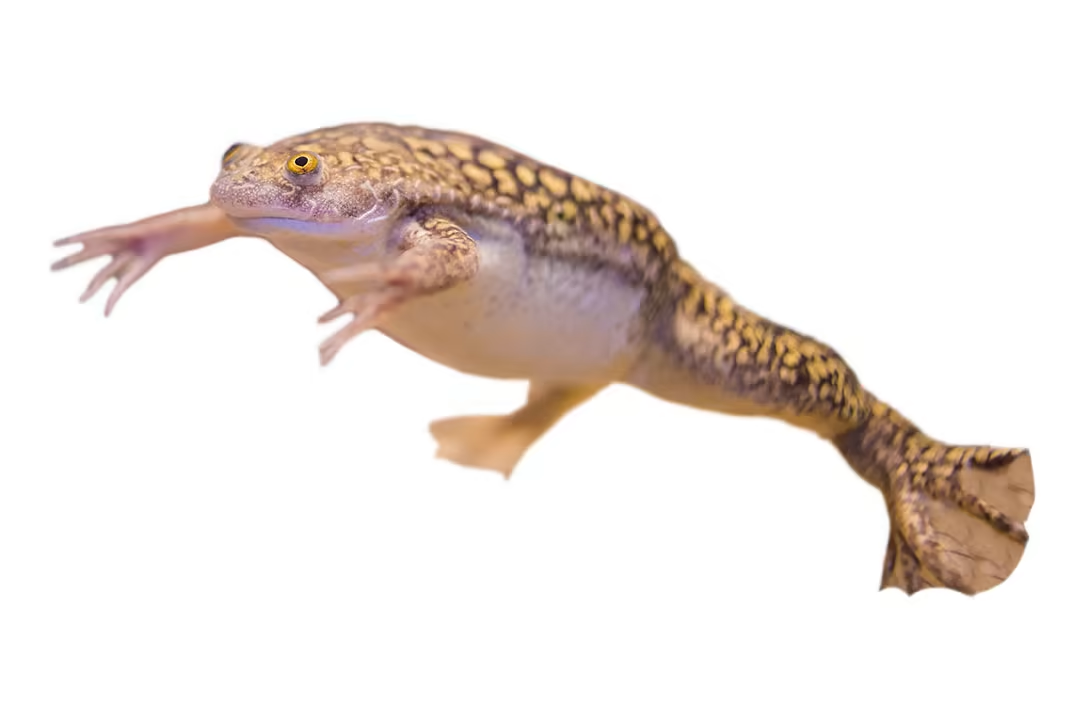
Learn how to care for Freshwater Amphibians, recommended diet and habitat setup. Find the right food, supplies and equipment at your neighborhood Petco.
Updated on November 13th, 2025
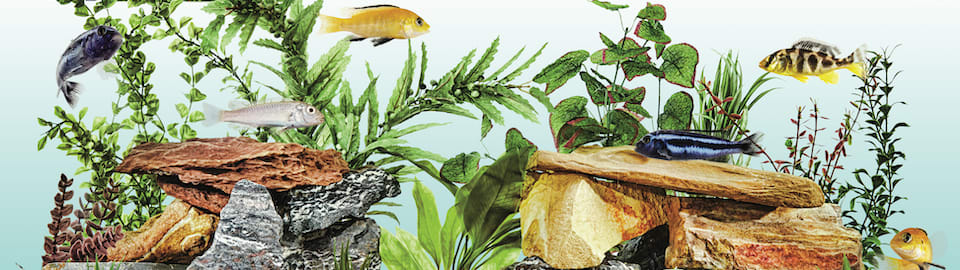
Although you may not realize it, aquaculture is something that touches our lives on a regular basis. Read more about what exactly aquaculture is, why it is important.
Updated on November 13th, 2025
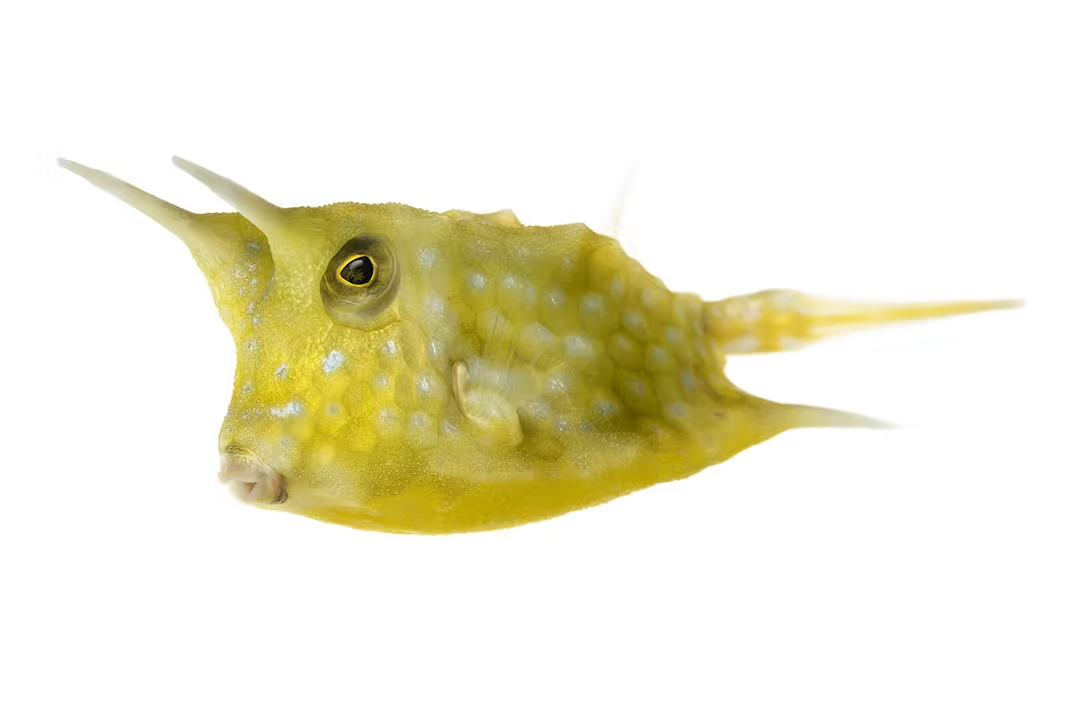
Learn how to care for Boxfish & Cowfish, recommended diet and aquarium setup. Find the right food, supplies and equipment at your neighborhood Petco.
Updated on November 13th, 2025
Check the water chemistry first. Use a home test kit or submit a water sample for testing. The local pet store or fish store may do this for free or for a small fee. Aim for an absence (0 ppm) of ammonia and nitrites with a nitrate level of 20 ppm or less. Perform partial water changes as needed to stabilize chemistry and/or to improve water quality. Use only conditioned water that is temperature matched to prevent stress or shock. These fish produce a larger than average bio-load (wastes), so strong filtration is a necessity. The filter should be rated for at least twice the volume of the tank. The size of the tank may also be an issue. When keeping koi, tanks or ponds in the hundreds (or even thousands) of gallons are common. The number of fish in the current tank is too high. Consider getting multiple tanks or a significantly larger tank. 9 goldfish would need at least a 100 gallon tank. The additional koi increases this number.
Updated on August 12th, 2025
Begin by submitting a water sample for quality testing. Most pet stores will do this for free or a nominal fee. High ammonia levels, PH imbalances may be responsible for that. Oxygen concentration and quality of the filters should be determined as well. Lack of oxygenation could be the cause of it. If water quality is good and there are no major imbalances, Bubbles should examined to look for any sign of bacterial/fungal infection and eventually water should be treated. Please do not hesitate to contact us again on the forum or by requesting a consultation (where you can post pictures ) if you have any more questions or to discuss it any further.
Updated on August 12th, 2025
Thanks for using Boop by Petco! This could be due to pain or discomfort as he could have hurt himself. However, it could also be coincidental. If he is otherwise doing well without limping, I think it would be ok to monitor him for now. However, if he develops a limp or any other signs such as crying in pain, inappetence or continued lethargy, have him evaluated by a veterinarian for further assessment and treatment. They can check him for any evidence of pain and treat him based on findings. Good luck and have a great day!
Updated on August 12th, 2025
Check the water chemistry and quality first. Poor quality can predispose him to infection. Use a home test kit or submit a water sample for testing. Your local Petco may do this for free or for a small fee. If ammonia and/or nitrite levels are elevated, perform partial water changes until both read 0 ppm and nitrates are 20 ppm or less. Use only conditioned water that is temperature matched to prevent further stress or shock. Providing pristine water quality is the foundation for treatment and healing. Check the water temperature since low temps can affect appetite and activity in fish. If the water is too warm, it can also affect activity since warm water does not hold as much oxygen as cooler waters. Fast the fish for 2-3 days then feed tiny bits of cooked and shelled green peas. This will aid in defecation if there is constipation. Plain aquarium salt (not table salt or Epsom salt) can be used for most fish as a general tonic to reduce stress, improve gill function, treat minor in
Updated on August 12th, 2025
Hi, and thanks for your question. Begin by submitting a water sample for quality testing. Most pet stores will do this for free or a nominal fee. Clinical examination should always include a water quality check, even if you have done so already. Water testing should be performed with a quality test kit, measuring NH4, NO2 and NO3. High ammonia levels, PH imbalances may be responsible for these signs. Oxygen concentration and quality of the filters should be determined as well. If water quality is good and there are no major imbalances, your fish should get examined to look for any sign of bacterial/fungal infection and eventually water should be treated. Hope this answer was helpful, but please do not hesitate to contact us again on the forum or by requesting a consultation if you have any more questions or to discuss it any further. If this answer was helpful please let us know, this will be used to improve our service!
Updated on August 12th, 2025