Two Easy Ways to Start Earning Rewards!
Earn 2X Pals Rewards points at Petco
when you use Petco Pay!
Get It Today
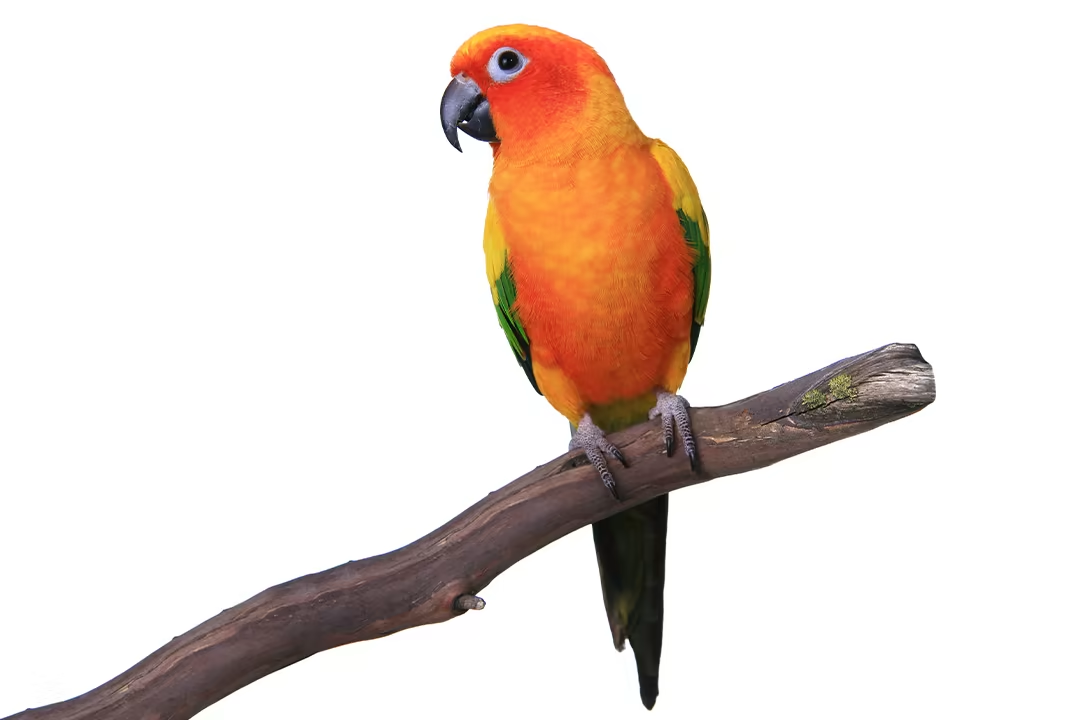
Learn how to take care of Sun Conures, recommended diet and housing setup. Find the right food, supplies and equipment at your neighborhood Petco.
Updated on November 13th, 2025
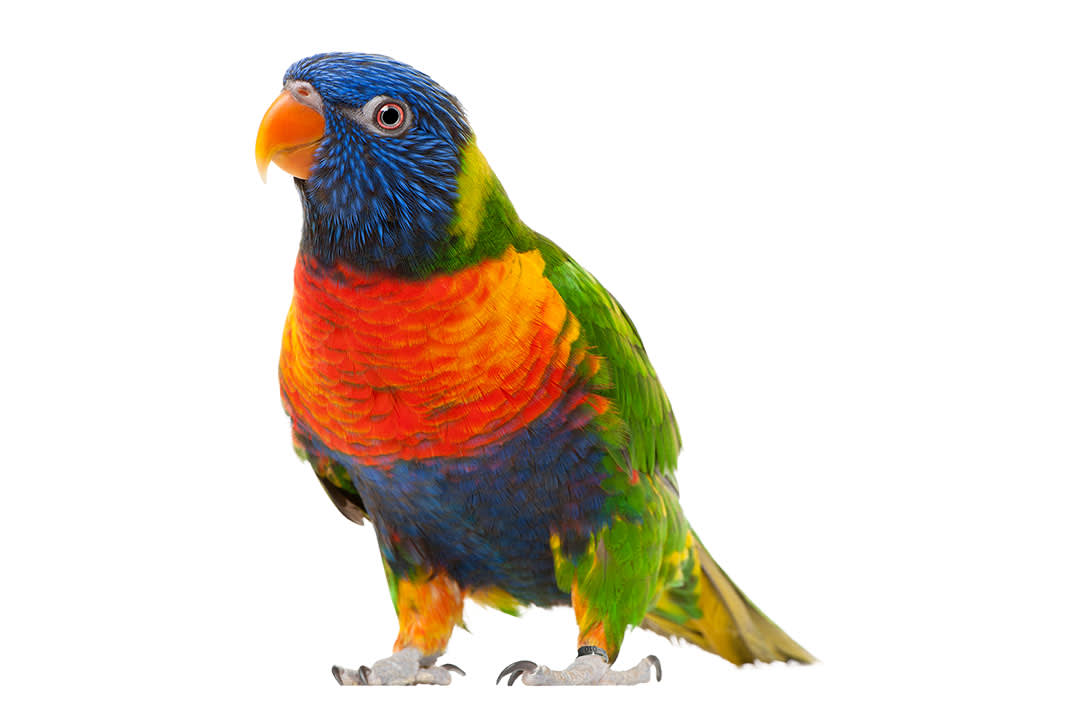
Learn how to take care of Lory and Lorikeets, recommended diet and habitat. Find the right food, supplies and equipment at your neighborhood Petco.
Updated on November 13th, 2025
Read more about how to care for your pet birds during the warmer months and keep them safe, happy and healthy all summer long.
Updated on November 13th, 2025
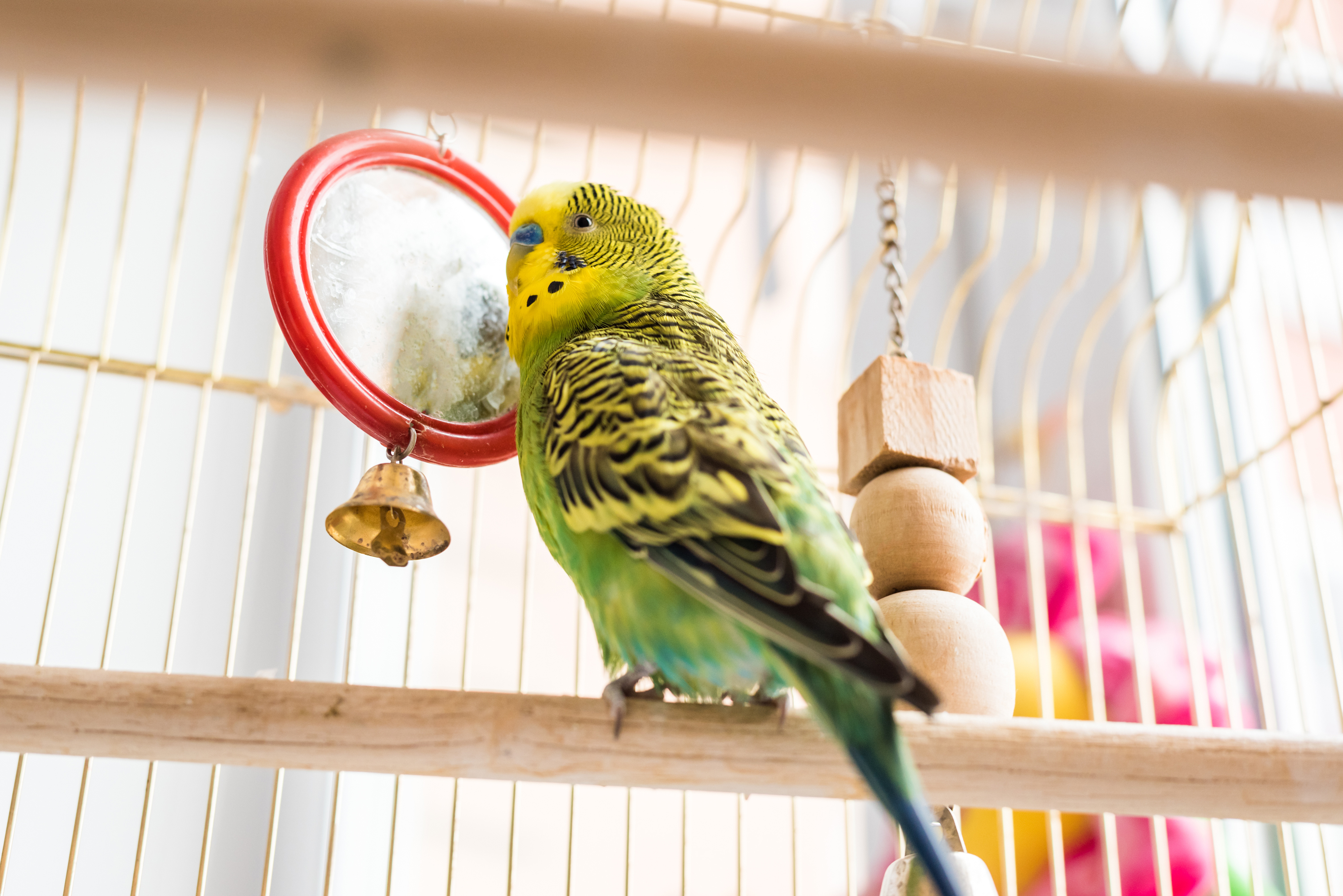
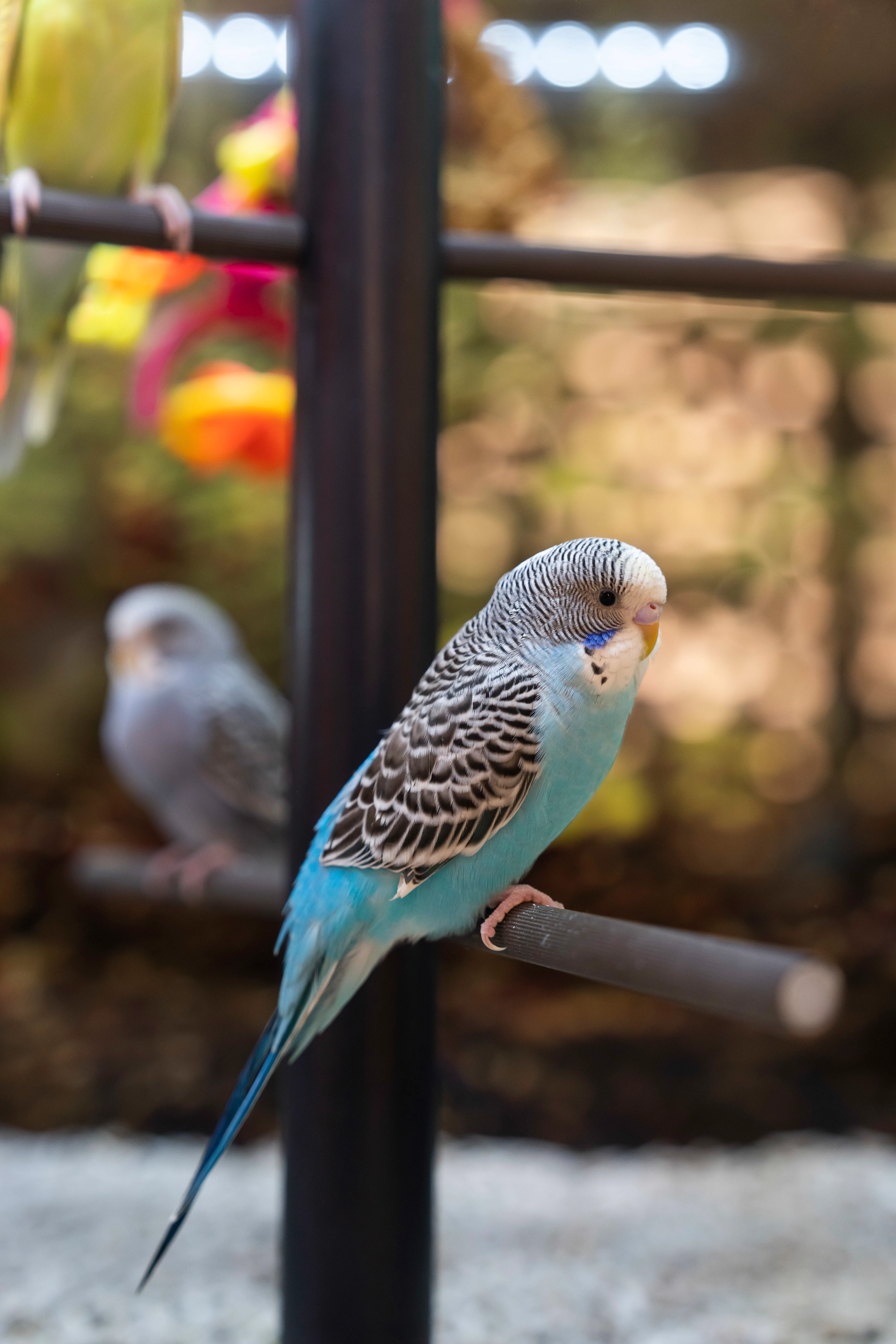
Learn tips about breeding Parakeets in a safe way. Search Petco to keep your feathered friends happy & healthy.
Updated on November 13th, 2025
Molting is a normal process for your bird. Learn when it happens, and what signs to look for in case you need to see your vet.
Updated on November 13th, 2025
Without knowing the size of the cage, it is hard to give advice. If they have a large flight cage where they can easily move around and exercise, then that may be enough. Adding in some fun toys to explore, moving dishes and toys around or rotating them out, offering treats to chew on, etc can all help increase enrichment and make things more fun for your birds. If they're kept in very small cages, then looking for a playpen that can fit in the room or on top of the cage may be nice for your birds to climb on or play on. However, finches tend to explore more and may want to fly around, so it is best to make sure they are only let loose in rooms where they can easily be caught again and cannot fly into windows, doors, or other dangerous objects that can cause injury or death.
Updated on August 12th, 2025
Thanks for reaching out. Sound like you have a full house. 1. Birds will often bond together but continue to work with them in a quiet environ, offering treats to win and re-enforce trust. Toys, the radio or tv, can all assist with boredom. Setting up foraging toys so birds need to spend time looking for food. 2. There is no such thing as too big a cage. 3. Heating rocks are rarely approved for use, as they will eventually become faulty and get too hot, potentially damaging the animal. A heat lamp is recommended. 4. The bunny's litter box should be spot cleaned daily and full clean weekly. If you can smell it you waited too long. Good luck.
Updated on August 12th, 2025
Restlessness, picking or pecking at body parts, and holding a limb (whether it be wing or leg) in an abnormal way can all be signs of pain or discomfort. Sitting in a food bowl may be a sign Alex just isn't feeling well enough to perch or doesn't feel like she can balance safely without falling. Having Alex examined by a veterinarian who specializes in birds is a good step toward figuring out what is causing her pain. Your vet may recommend radiographs to see whether there is something going on that would explain her unusual behavior. In the meantime I would keep all of Alex's food and water bowls on the bottom of her cage and lower her perches to almost the bottom of the cage so she doesn't hurt herself if she has trouble balancing or grasping the perch. It doesn't take much for these tiny finches to hurt themselves so creating a safe cage space until she can be examined is a good idea. I hope this is helpful. Good luck with Alex!
Updated on August 12th, 2025
If you cannot find measurements for the cage type you are looking at, I would go with a different company or location to one that offers measurements such as bar sizing, cage sizing etc, before purchasing. Birds can be picky eaters, and very messy ones, and they may throw food just for the fun of it. Continuing to offer a variety of fruits and veggies in addition to his regular food can help him become more interested in trying (and hopefully liking) more things. Cage guards can also be useful in helping contain the normal mess birds make as they eat.
Updated on August 12th, 2025
Offer a fortified seed mix supplemented with cooked beans and vegetables (carrots, peas, etc). Fresh water should be available at all times. A mineral block and/or cuttlebone should also be placed in the cage. Keep the room at a steady temp and keep the cage away from strong drafts. You can mist him with warm water a few times weekly to promote preening and healthy plumage. Monitor for lethargy, decreased appetite and loose droppings. If necessary, have him physically examined by your veterinarian or an experienced avian veterinarian.
Updated on August 12th, 2025