Two Easy Ways to Start Earning Rewards!
Become a member today! Members-only pricing and offers, personalized care notifications, Vital Care points back on every purchase and more!
 Become a credit card member today!
Earn 2X Pals Rewards points at Petco
when you use Petco Pay!APPLY NOWLearn More About Petco Pay Benefits
Exo-Terra Frog Heating & Lighting
Get It Today



Related Searches
Related Articles & Questions
- Care Sheets
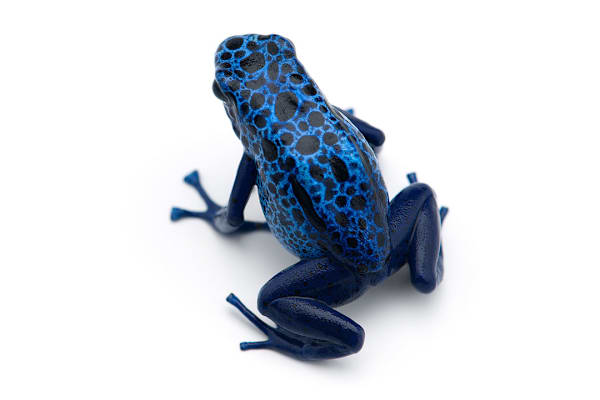
Master Terrestrial Frog Care: Habitat, Diet & Health Secrets
Learn how to care for small Terrestrial Frogs, recommended diet and habitat setup. Find the right food, supplies and equipment at your neighborhood Petco.
Updated on April 9th, 2026
- Care Sheets
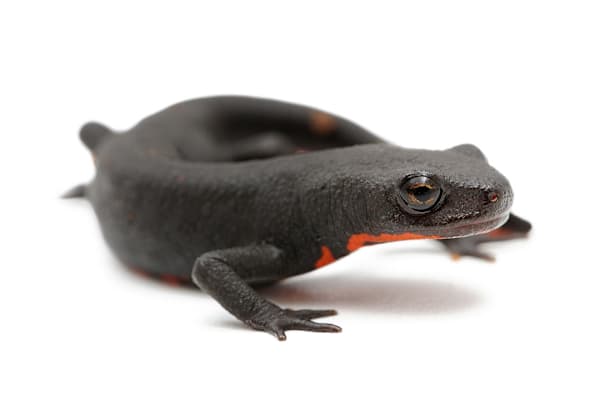
Mastering Pet Salamander & Newt Care: Food, Habitat, Health Guide
Learn How to Care for a Salamander & Newts, recommended diet and habitat setup. Find the right food, supplies and equipment at your neighborhood Petco.
Updated on April 9th, 2026
- Care Sheets
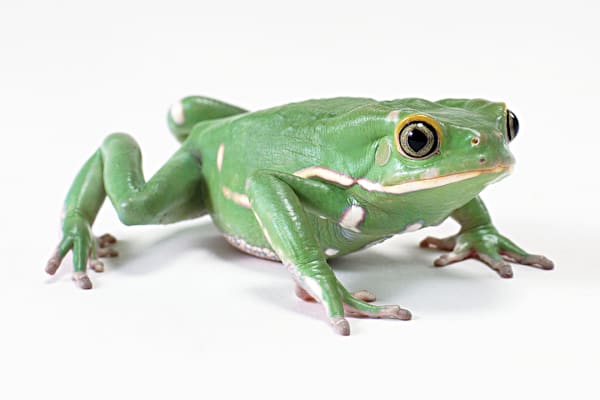
Waxy Monkey Tree Frog Care: Habitat, Diet & Health Essentials
Learn how to care for waxy monkey tree frog, recommended diet & habitat setup. Find the right food, supplies & equipment at your neighborhood Petco.
Updated on April 9th, 2026
- Care Sheets
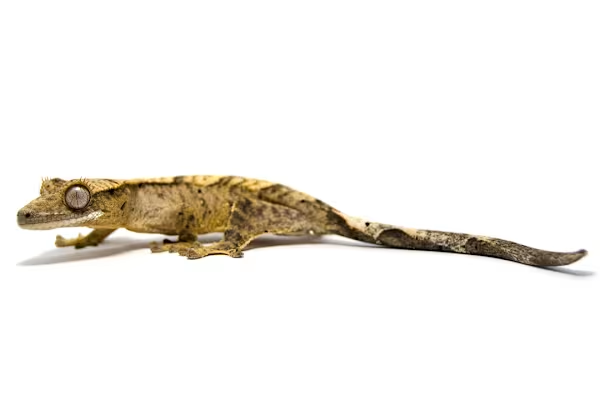
Crested Gecko Care: Habitat, Diet, Health, Supplies - Ultimate Guide
Learn how to take care of your Crested Gecko, tank size, diet & habitat setup. Find the right food, supplies and equipment at your neighborhood Petco.
Updated on December 22nd, 2025
- Care Sheets
African Dwarf Frog Care: Habitat, Food & Health for Thriving Frogs
African Dwarf Frogs are fully aquatic amphibians that thrive in a tropical environment with a water temperature of 68–78°F (20–26°C), light, and filtration.
Updated on October 23rd, 2025
- Food & Nutrition
How to feed a red ear slider with pyramiding & choose a heat lamp?
A proper diet for red-eared sliders includes a complete pellet, such as those made by ReptoMin, and dark leafy green vegetables. This can be fed once per day, and the amount should be based on how many pellets Cooper can eat in 5-7 minutes. This is just a guideline, and your veterinarian can help you to determine if this is appropriate based on Cooper's body condition score (i.e. whether she is overweight or not). For a heat lamp - photo 1 just looks like the dome, and there doesn't appear to be a bulb in it. The second lamp looks like it is a daytime only heat lamp - it is often beneficial to have a heat source that can be used during the day or at night, and if that is what you are looking for, I would recommend a ceramic heat bulb. If you are looking for only a daytime basking bulb, there are many brands that would be appropriate. The key words that you should look for are "daytime basking bulb." For watts - it depends on how far the bulb is away from your turtle - there are some brands that have a chart on the side of the box that will give you distances and temperatures that correlate with the distance. This information, combined with your desired temperature for the basking area will help you to decide on what wattage to get. I hope that gives you more information!
Updated on September 24th, 2025
- Home & Habitat
Injured lizard care: food, lighting, and habitat setup tips?
It does appear to be of the takydromus species. These grass lizards are common and fairly easy to keep. Being adept climbers, more vertical space should be offered in an enclosure. Branches and vines can be placed for climbing. Bring reptiles, they need an external heat source and UVB lighting. Daytime temps can range from 24 C to 30 C (75-85 F). Provide a basking spot of around 35 C to 38 C (95-100 F) using a heat lamp. Aim for 70-80% humidity. Provide a shallow bowl for water. Mist the cage daily. Feed appropriately sized prey, no bigger than the space between the eyes, that have been gutload for 24 hours prior to offering. This will maximize nutritional value. Crickets, mealworms, dubia roaches, waxworms or wingless fruit flies can all be offered. Dust prey with a calcium supplement and a multivitamin supplement several times weekly. Ideally, the wound should be addressed by a veterinarian experienced in treating reptiles. You can clean it with dilute Betadine or chlorhexidine solution daily and monitor for redness, bleeding, lethargy or decreased appetite.
Updated on September 24th, 2025
- Food & Nutrition
Frog care: finding a vet, safe tank rocks, and normal leg spasms?
Thanks for your question - to find a veterinarian in your area, you can check the AAFV or ARAV websites. Additionally, UC Davis is a couple of hours from you, and they have a department at their veterinary school that will see both fish and frogs. For the rock size - you are correct - you want to have larger rocks so that your frog doesn’t accidentally ingest any of them. For your last question about the spasms - without further description I would be unable to determine if this was normal or not, but I would recommend ensuring that you have a complete and balanced diet for the species of frog that you have. Nutritional deficiencies can be very common in frogs, and can result in “spasms” in them. I hope that helps to answer your questions, and good luck!
Updated on September 24th, 2025
- Home & Habitat
How can I safely heat my hedgehog's cage with a heat lamp?
Thank you for your question! My preferred method for warming a hedgehog cage is to use a ceramic heat bulb. They are sold in the reptile section of most pet stores. The reason that I prefer this type of bulb is that they only emit heat, and no light, so Quilliam's day/night cycle will not be affected. Many of the brands will also have a chart on them to assist you in what wattage you need from the bulb, but you will need the distance from the bulb to Quilliam (aka the height of the cage) as well as your desired temperature in order to use the chart (temperature recommendations for hedgehogs are 70-80F depending on what care sheet you are using). I would also recommend monitoring the temperature in his cage once you have added your heat bulb to ensure that it is within the desired range. This can be performed with a digital thermometer - these are also often found in the reptile section of most pet stores. I hope that helps to answer your question, and good luck!
Updated on September 24th, 2025
- Food & Nutrition
My pet reptile or amphibian won't eat its worms. What's wrong?
Confirm proper environmental parameters, especially temperature. Low temps can affect appetite in reptiles and amphibians. Be sure you are offering appropriately sized prey as well. Nothing bigger than the space between the eyes. I would suggest you correct the type of pet you have in the information section. I don't think you have a tadpole if he hangs out with you on the desk. Knowing the species allows us to provide more accurate advice.
Updated on September 24th, 2025