Two Easy Ways to Start Earning Rewards!
Earn 2X Pals Rewards points at Petco
when you use Petco Pay!
Get It Today
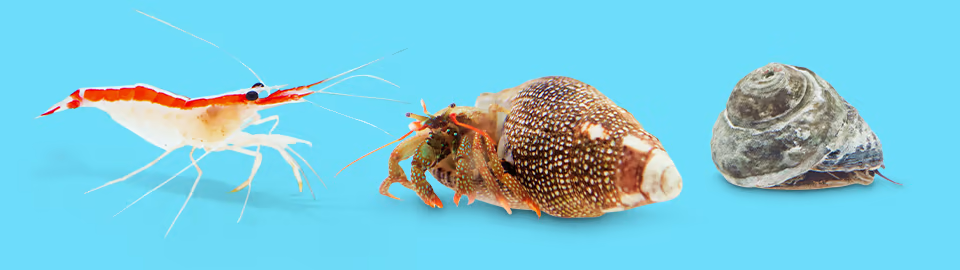
Visit Petco to learn about cleanup crews and how they can help your aquarium health.
Updated on November 13th, 2025
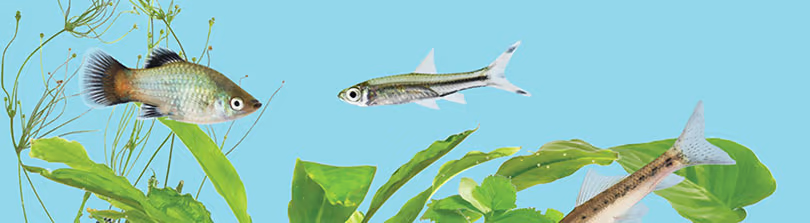
Wondering why you may need CO2 in your fish aquarium? Learn the basics from a Petco aquatics specialist.
Updated on November 13th, 2025
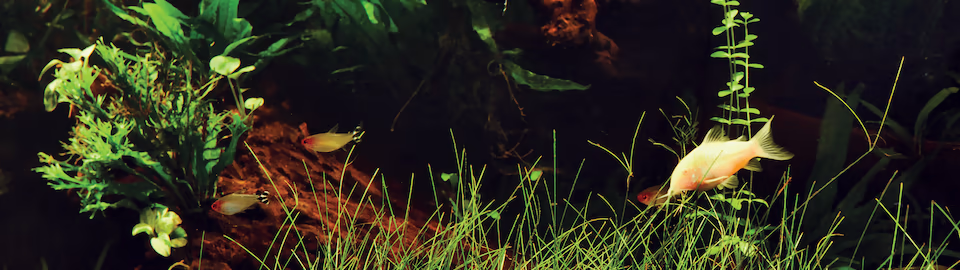
Learn how to pick the right aquarium plants, substrate, lighting, and fertilizers to ensure that your aquarium plants thrive and stay healthy.
Updated on November 13th, 2025
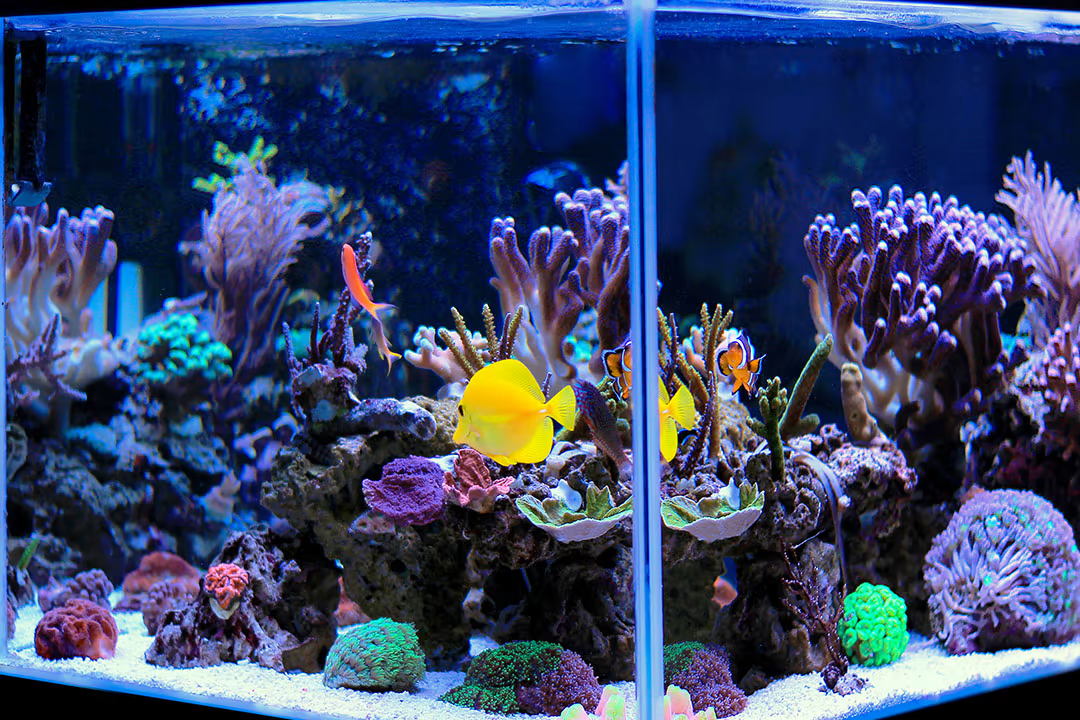
Learn how to set up a saltwater fish tank and key considerations regarding placement, supplies needed, and the overall set up process.
Updated on November 13th, 2025
We can help you navigate your way through all the types of lights in fish tanks and determine which type is best for your aquarium.
Updated on November 13th, 2025
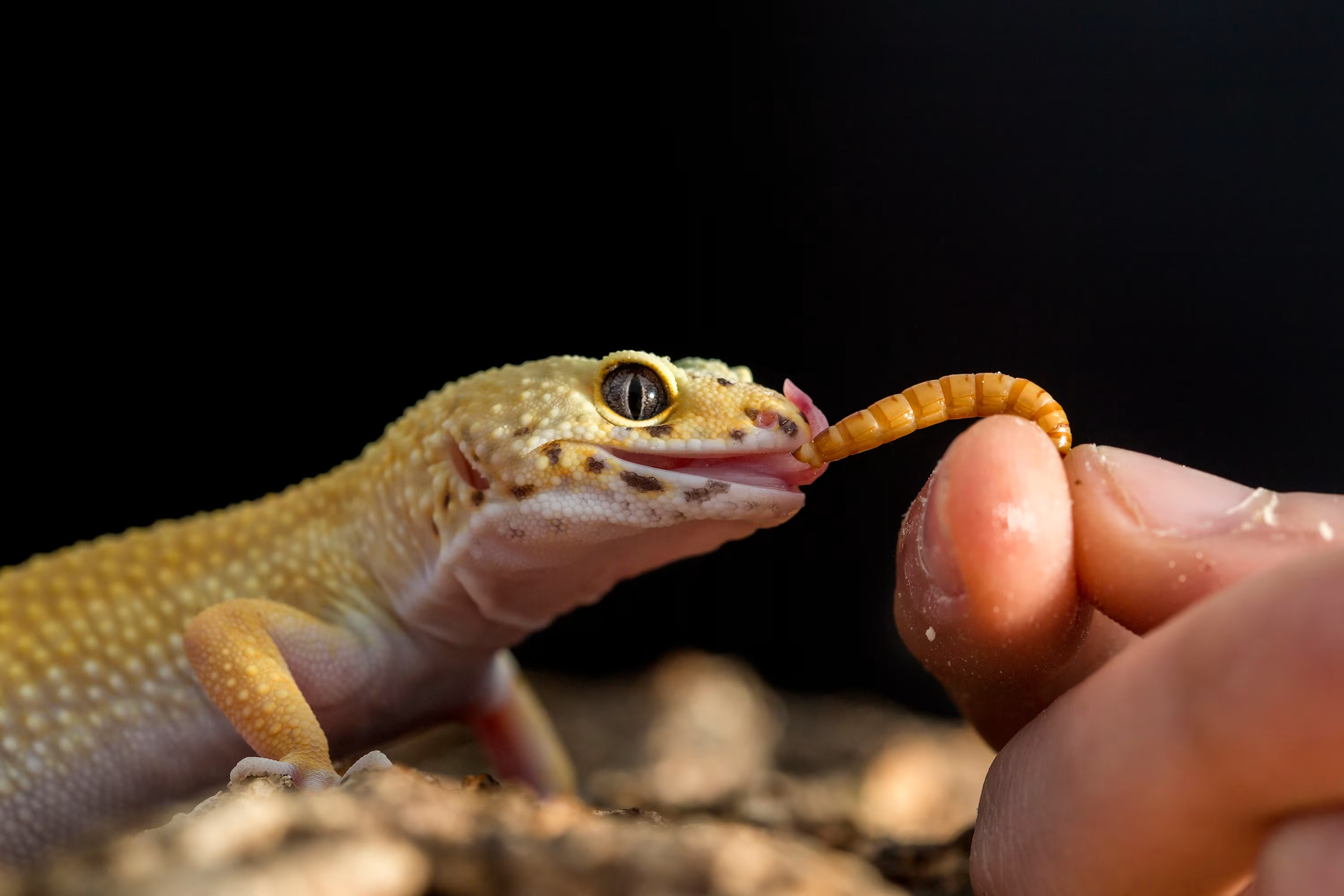
The Cowfish, or Longhorned Boxfish, is a marine species that should be kept only by experienced aquarists. When stressed, they can release toxins into the water which may harm tank mates. Pacman frogs, leopard geckos, corn snakes or bearded dragons are all easy to keep.
Updated on August 12th, 2025
Check the water chemistry. Confirm ammonia and nitrite levels are 0.25ppm or less and nitrates are 40ppm or less. Use a liquid test kit or submit a sample for testing. Most pet stores or aquarists will do this for free or for a small fee. Partial water changes, about 30% can be done to decrease high levels. Use only aged or conditioned water that is temperature matched to prevent further stress or shock. My preferences for water conditioning are AmQuel Plus and NovAqua in addition to StressCoat. Confirm water temperature between 78F and 80F. You can soak pellets in some garlic juice to stimulate his appetite.
Updated on August 12th, 2025
I would recommend to have the water completely changed. New water should be ideally submitted for quality testing. Most pet stores will do this for free or a nominal fee. High ammonia levels, PH imbalances may be responsible for that as well. Oxygen concentration and quality of the filters should be determined as well. Please do not hesitate to contact us again on the forum or by requesting a consultation if you have any more questions or to discuss it any further.
Updated on August 12th, 2025
It is possible the tank has not cycled properly which results in high ammonia and nitrite levels which can kill fish. Allow the tank to run, without fish, for at least 4-6 weeks. During this time, use a home test kit or submit a water sample for testing every few days. The local Petco may do this for free or for a small fee. What you are looking for is to have ammonia and nitrites at 0 ppm and nitrates at 20ppm or less. pH can hover around 7 for most community fish. Avoid large, rapid swings in pH though. What is happening in the tank during this time is that beneficial bacteria are populating the gravel/substrate and the filter. These bacterial populations are responsible for the Nitrogen Cycle. This cycle breaks down wastes from fish, uneaten food and plant matter into by-products that are filtered out or dissipate. You can "cycle" a tank with fish, however this increases the risk of loss. Once your tank has cycled, you can add fish. You will still need to monitor water chemistry a
Updated on August 12th, 2025
Brown algae overgrowth can be due to high nitrates, too much light or overfeeding. Use a liquid home test kit or submit a water sample for testing. Most pet or fish stores will do this for free of for a small fee. If nitrates are over 40ppm, it can be decreased by performing partial water changes. Use only aged or conditioned water that is temperature matched to prevent stress or shock. You can also use a nitrate absorbing filter insert. The algae will need to be physically scrubbed from plants or rocks and can be scraped from glass. Rinse filter media using tank water NOT tap water. Limit light to 6 hours daily, 8 if you have live plants and do not over feed.
Updated on August 12th, 2025